Rummy Comparison: One Discard Rule or a Short Decision Tree Rummy Comparison: One Discard Rule or a Short Decision Tree
A fixed discard rule is fast, while a short decision tree adapts better to changing hand conditions. [...]
A fixed discard rule is fast, while a short decision tree adapts better to changing hand conditions. [...]
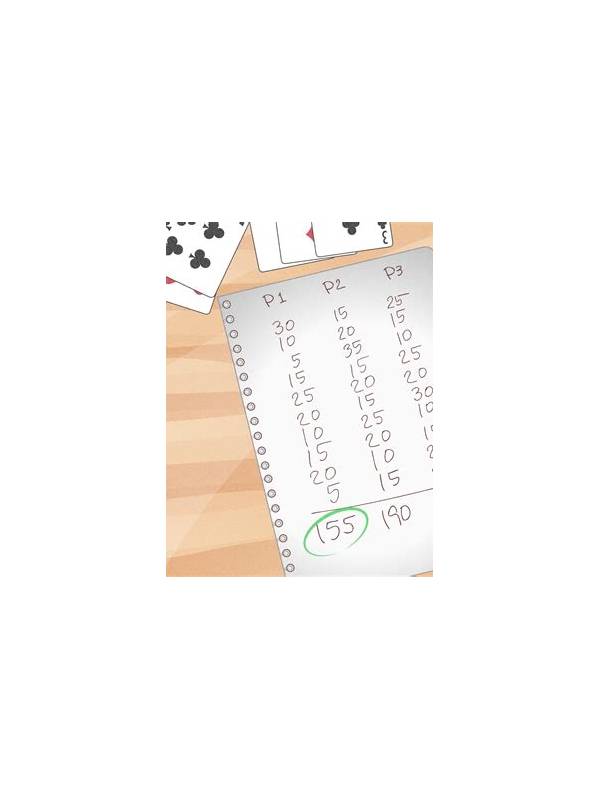
Breaking a completed set can be correct in rare situations, but the decision needs a concrete replacement plan. [...]
Looking two turns ahead can reveal whether a tempting draw creates a real plan or only a hopeful one. [...]
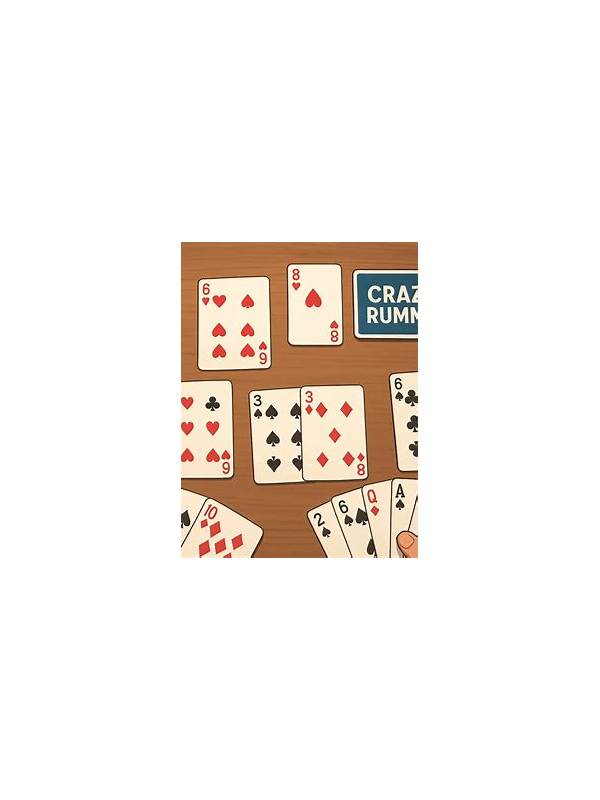
A three-column inventory makes a rummy hand easier to evaluate before the next draw. [...]
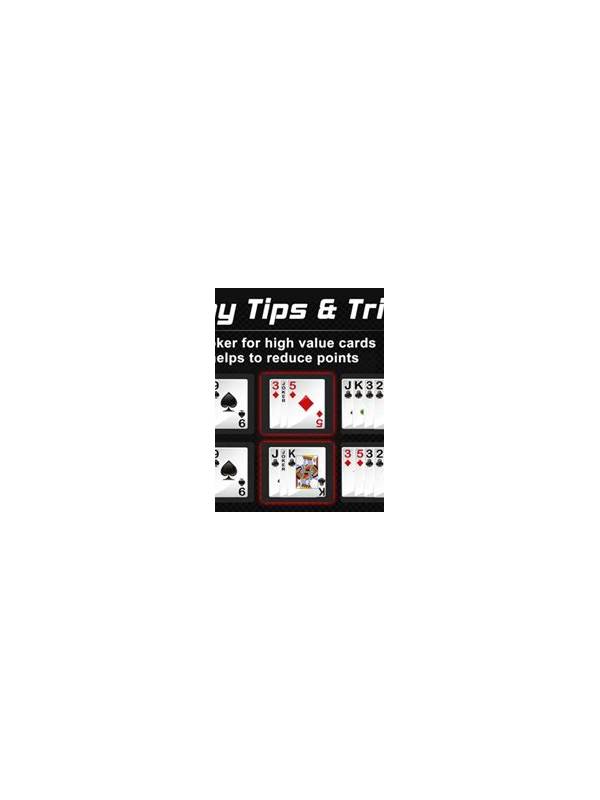
A neutral phrase can interrupt emotional reactions and return attention to the actual rummy position. [...]
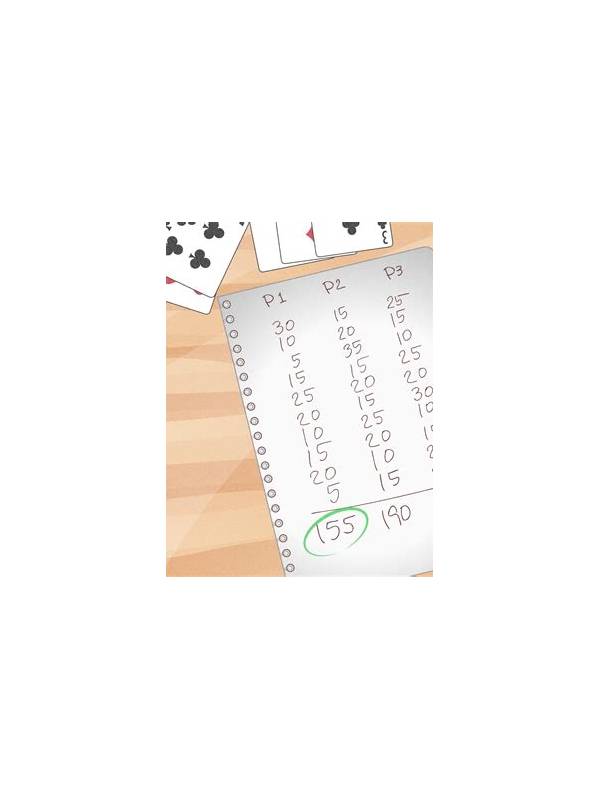
Keeping a small number of ranked plans preserves flexibility without allowing every unlikely combination to consume attention. [...]
Reviewing at different points in a rummy turn reveals different lessons about planning and execution. [...]
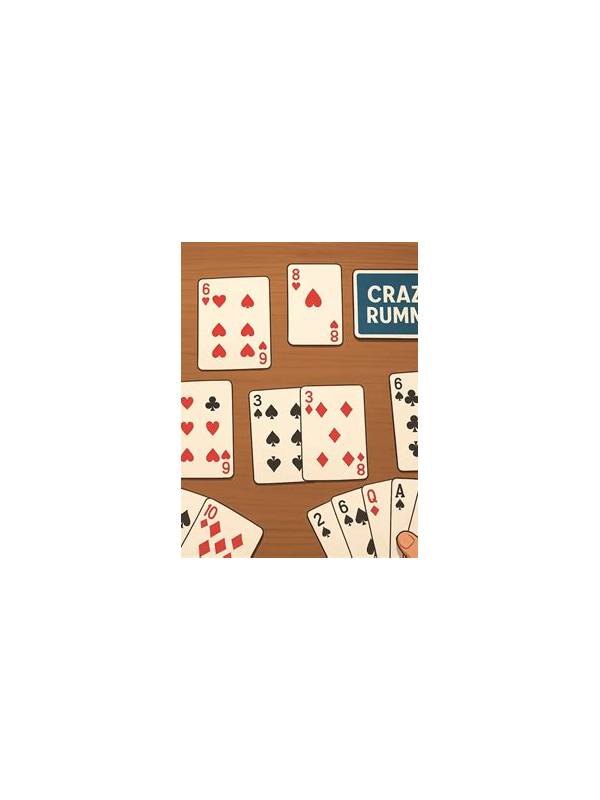
A reset after the final draw helps prevent old assumptions from controlling a changed rummy position. [...]
Giving every discard a short reason makes rummy decisions easier to review and improve. [...]

Limiting mid-hand replans can protect attention while still leaving room to respond to meaningful new information. [...]