Rummy Safety: Verify Rules Before Joining an Unfamiliar Table
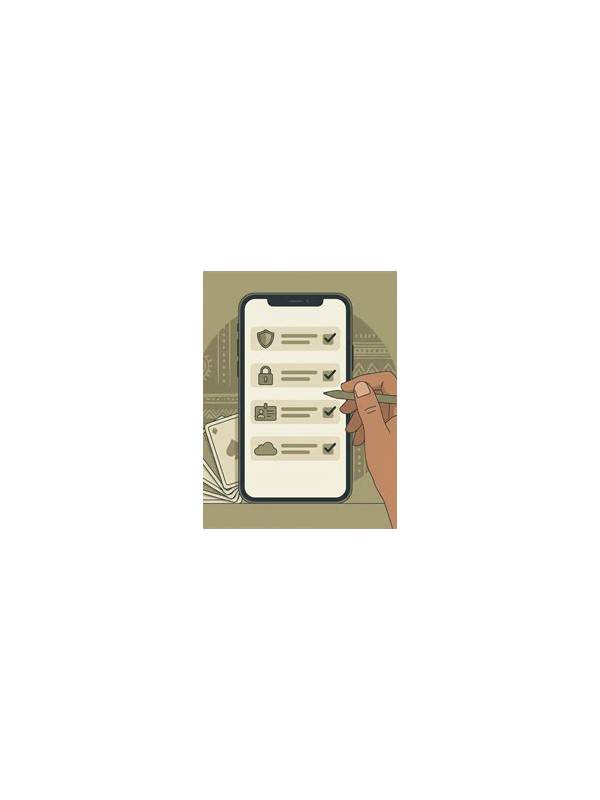
An unfamiliar rummy table can use different rules for sequences, jokers, scoring, deposits, or withdrawals. Joining without checking creates unnecessary risk. Before you sit down, read the table description and the relevant help information. If a rule is unclear, ask for an explanation or choose a table whose terms you understand. Familiar game vocabulary does not guarantee identical rules.
Confirm the objective first. Some formats use points, some use a fixed number of deals, and some end when a player reaches a target. Then check how a valid declaration is defined, especially the requirements for a pure sequence and the treatment of wild cards. These details affect strategy, but more importantly, they determine whether your actions are being judged under expectations you actually accepted.
Review practical limits as well. Check entry cost, maximum loss, time controls, cancellation rules, and any conditions attached to bonuses. Treat promotional language as incomplete until the full terms are visible. Never share passwords, one-time codes, or payment details with another player or an unofficial helper. Use only the platform’s normal security and support channels.
Look for signs of pressure. A table or message that urges immediate payment, asks you to bypass ordinary checks, or promises guaranteed returns deserves caution. You are allowed to leave before starting. If the game involves real money, follow local laws and age restrictions, and use only funds set aside for entertainment. Responsible play begins before the first card is dealt.
After joining, stop if the interface or rules do not match what was presented. Save ordinary transaction records and use official support if a dispute arises, but do not continue playing to resolve uncertainty. A quick verification step protects both your decisions and your account. Clarity is part of table safety, not a delay to be ignored. Keep the verification proportional to the situation. A casual practice table may need only a rules summary, while a real-money table deserves careful attention to identity, payment, and withdrawal terms. Do not let another participant rush you through checks. If you cannot independently confirm who operates the service or how disputes are handled, postpone play until you can. A missed game is less costly than an unclear commitment. If the answer remains unclear, leave and gather information before making any financial commitment. Questions about safety deserve time and independent verification. Clear rules protect players from misunderstandings before they become costly disputes or rushed decisions.
Related Post
Rummy Strategy: Use a Three-Window Card Scan
A three-window scan helps organize a rummy hand before a draw creates new choices. [...]
Rummy How-To: Review the Last Five Decisions Without Blame
A short post-hand review can identify useful patterns without turning a single result into a [...]