Rummy FAQ: When Does a Set Become a Trap? Rummy FAQ: When Does a Set Become a Trap?
A set becomes a trap when keeping it blocks stronger requirements or hides the cost of its missing cards. [...]
A set becomes a trap when keeping it blocks stronger requirements or hides the cost of its missing cards. [...]
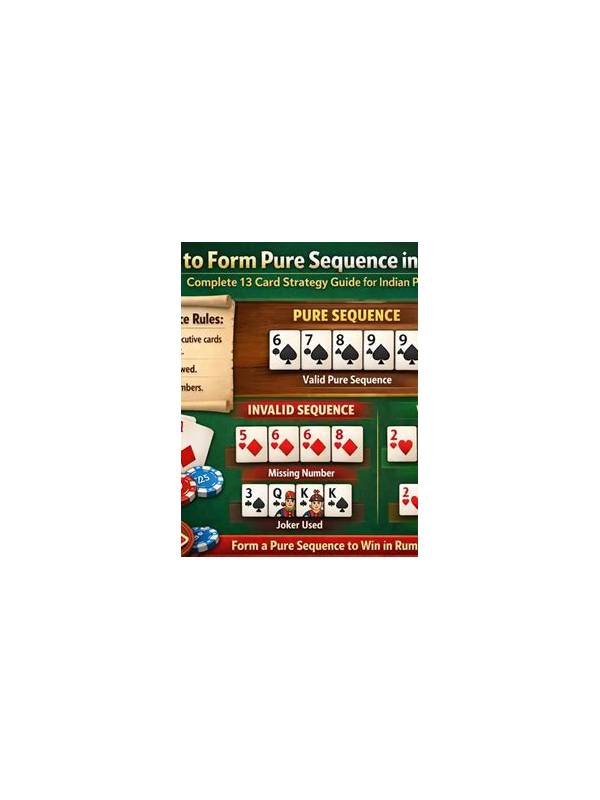
Inspecting sequence gaps before drawing clarifies which cards would genuinely improve your hand. [...]
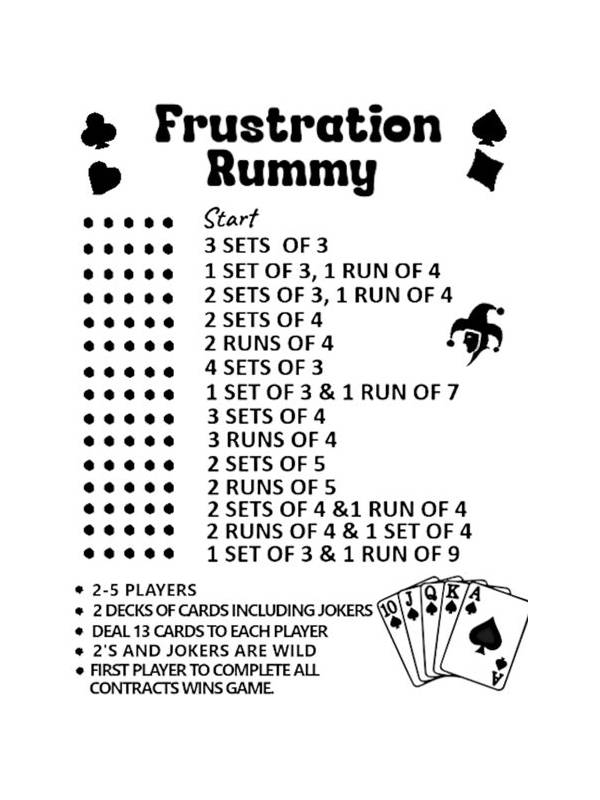
A preplanned pause helps separate ordinary disappointment from decisions made under frustration. [...]
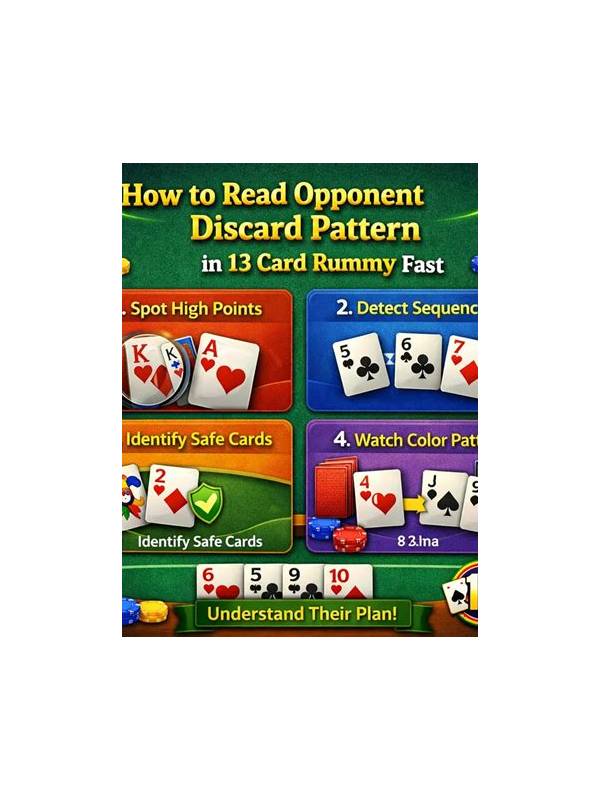
Use discard history to form a tentative picture of an opponent’s needs without mistaking it for certainty. [...]
Compare fast progress with safer structure so a quick-looking move does not create a larger problem later. [...]

Dead-card practice teaches you to spot cards that no longer have a realistic route into the hand. [...]
When two jokers appear valuable, assign each one a specific job and protect the requirement that matters most. [...]
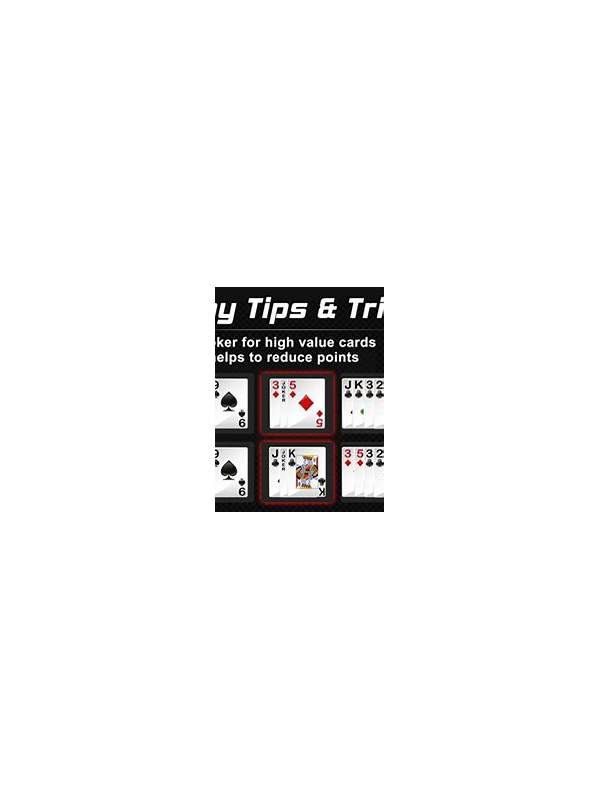
Suit balance can provide a useful secondary test when two discard candidates appear equally strong. [...]

An endgame inventory shows which groups are complete, which need one card, and which should be abandoned. [...]

Comparing a flexible discard with an immediate completion helps frame the tradeoff between progress and future options. [...]