
Rummy Guide: Repair a Sequence With One Missing Link Rummy Guide: Repair a Sequence With One Missing Link
Evaluate a nearly complete sequence and decide whether repairing it is better than preserving a broader plan. [...]
Evaluate a nearly complete sequence and decide whether repairing it is better than preserving a broader plan. [...]
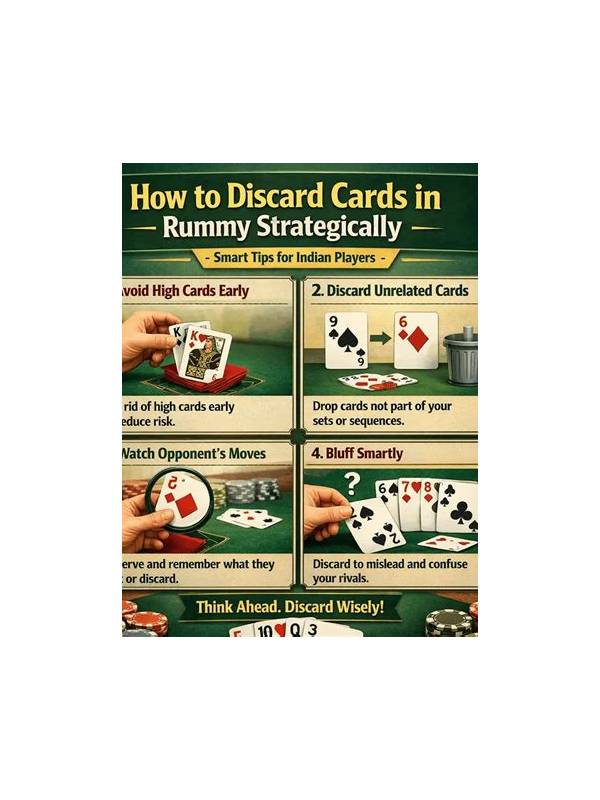
Use a short observation routine to interpret another player’s discard without turning it into a fixed prediction. [...]
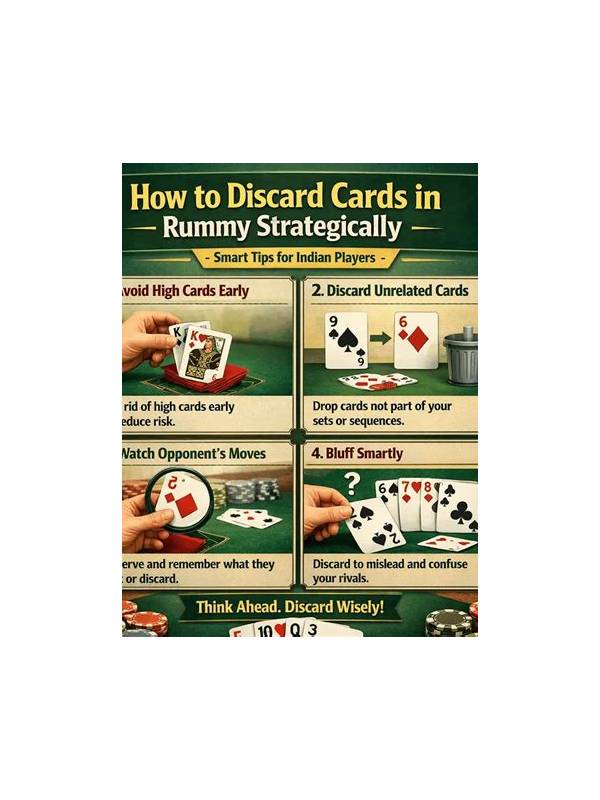
A careful look at discarded cards can reveal useful information without turning every discard into a prediction. [...]

Identify the features that make a no-stakes practice table useful for learning without financial pressure. [...]

Decide whether a middle card is a connector, a set candidate, or an unnecessary passenger in your hand. [...]
Build a clear stopping rule that protects time, attention, and spending decisions during rummy play. [...]
Use a lightweight counting method to estimate card availability while keeping attention on the current hand. [...]
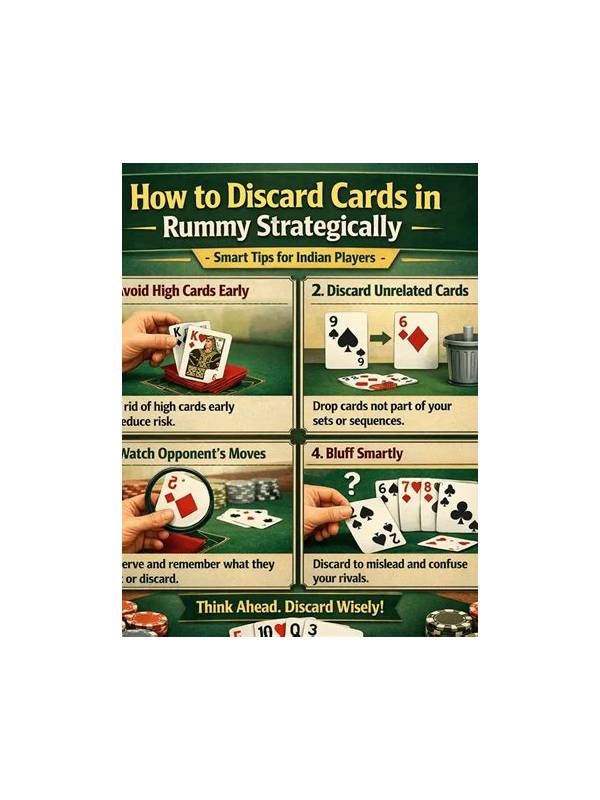
A practical way to use discard timing as a clue while keeping your own decisions grounded in evidence. [...]
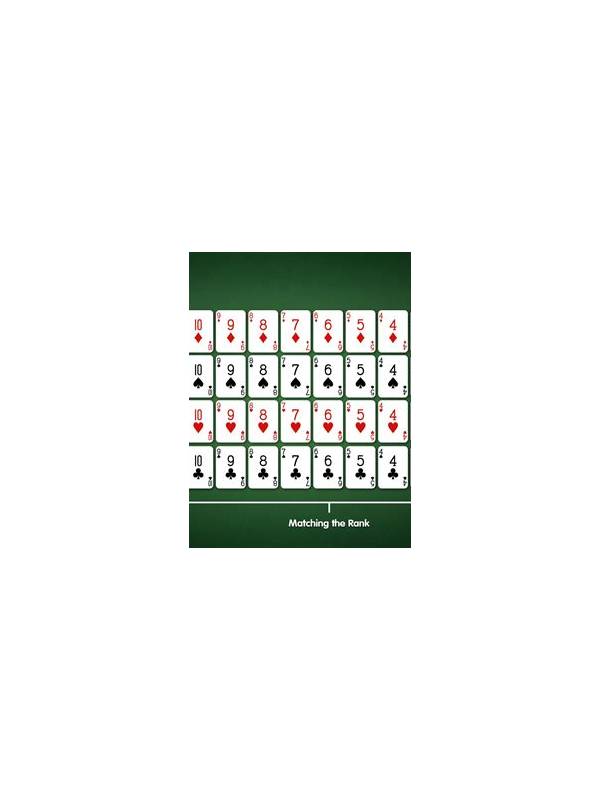
A draw improves structure when it creates clearer legal groups, useful connections, or a safer route to simplify the hand. [...]
Separate observable card information from the story you build about another player’s intentions. [...]