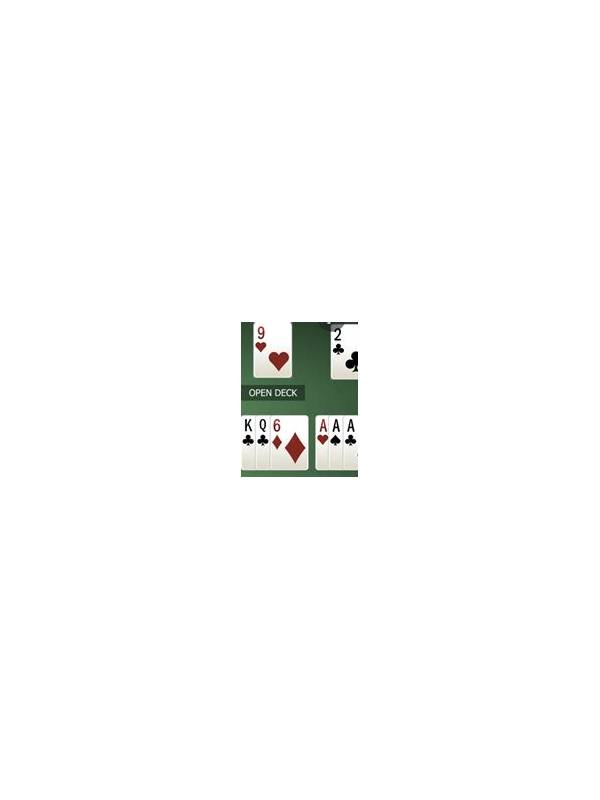
Rummy Tips: Measure a Draw by the Space It Creates

Players often judge a draw by asking whether the new card fits somewhere. A better question is whether the draw creates space. Space means fewer competing roles, a clearer discard, or more than one realistic route to completion. This measure prevents a matching card from being celebrated when it only adds another unresolved pair.
Start by observing the hand before the draw. Count the stable groups, the partial groups, and the cards without a role. Then imagine placing the candidate card into the layout. Does it complete anything? Does it allow you to release a card that was blocking two plans? Does it turn an awkward overlap into a cleaner arrangement? These are forms of space because they reduce future confusion.
Some draws create space indirectly. A connector may not complete a sequence, but it can join two cards and make an expensive isolated card expendable. A matching card may also allow one pair to become a firm set, leaving another pair free for a separate plan. Evaluate the whole layout rather than the visual excitement of a new match.
A draw can reduce space too. If it forces you to hold another high-value card, creates a three-way overlap, or makes your discard choice harder, the apparent fit may be misleading. This is especially important when taking from a visible discard pile. The card may help one line while revealing too much about your plan or retaining an item with little exit value.
Use a small scorecard during practice: completion, simplification, flexibility, and discard cost. You do not need exact numbers. Mark each as strong, neutral, or weak. A draw with no completion but strong simplification can be good; a draw with a match but weak simplification may be poor.
The habit is useful because it shifts attention from accumulation to organization. A strong hand is not the one holding the most promising cards. It is the one in which each remaining card has a clear, affordable role. Measure the space a draw creates, and your decisions will become easier to review after the hand. Space can also mean mental space. When a draw lets you explain the remaining hand in fewer sentences, it has reduced decision load even if no group is complete. This matters during a long session, when attention can be the limiting resource. Do not confuse a simpler explanation with a guaranteed win; use it as evidence that the hand is more manageable.
Related Post
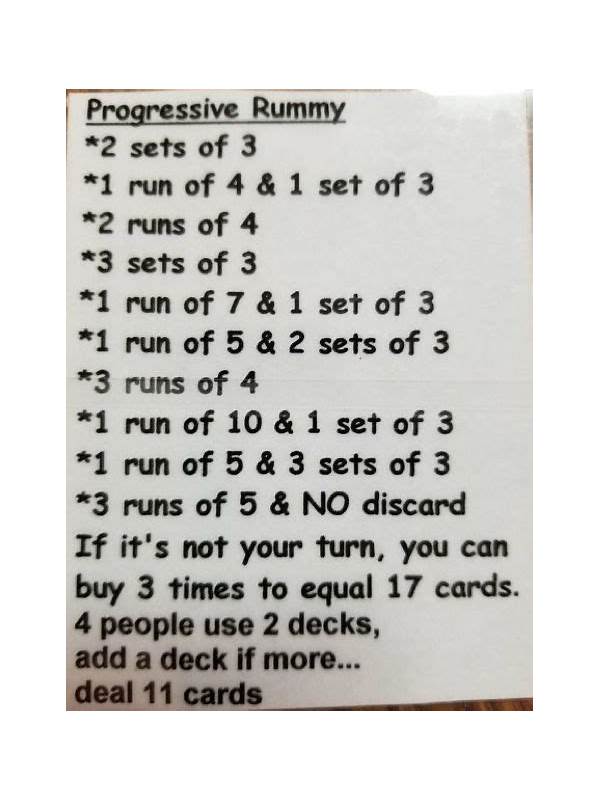
Rummy Tips: Compare Two Plans Before Committing
Comparing two realistic hand plans can prevent early commitment to a narrow rummy idea. [...]
Rummy FAQ: Is a Fast Meld Always the Best Meld?
Completing a meld quickly can be helpful, but speed should be weighed against flexibility and [...]