
Rummy Comparison: Open-Ended Runs Versus Tight Runs Rummy Comparison: Open-Ended Runs Versus Tight Runs
Comparing open-ended and tight runs shows how immediate completion and future flexibility can pull in different directions. [...]
Comparing open-ended and tight runs shows how immediate completion and future flexibility can pull in different directions. [...]
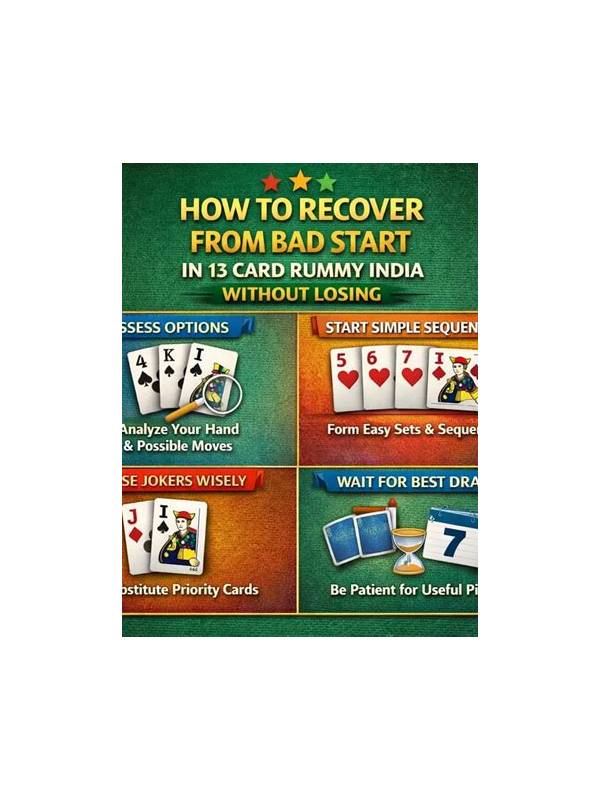
A forced discard can be handled with a structured reset that identifies the strongest remaining groups and options. [...]
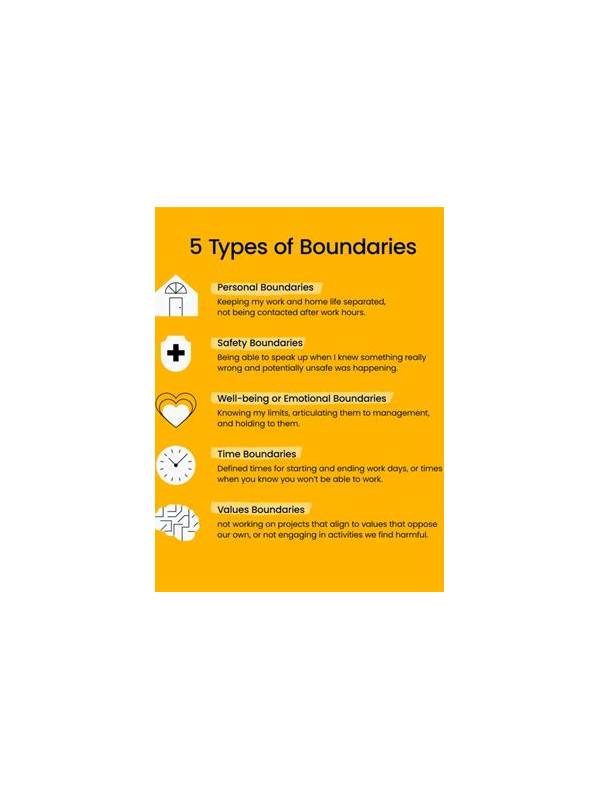
Pre-committed time and spending limits make a gaming session easier to stop when attention or mood changes. [...]

Changing a sequence plan is allowed in many formats, but the decision should follow clear evidence and rule checks. [...]

A practical flexibility test helps compare a blind draw with a visible discard without relying on a single hoped-for card. [...]

Learn how to use the discard pile as evidence while keeping your conclusions appropriately cautious. [...]
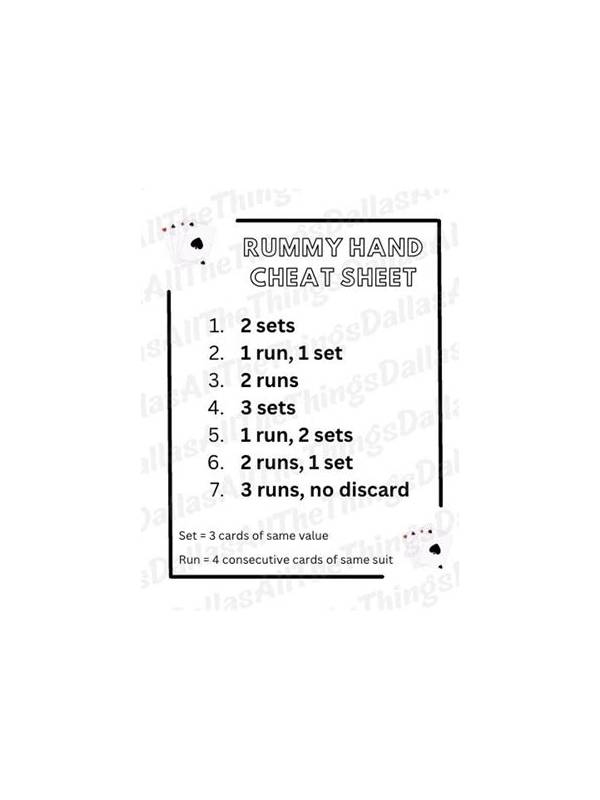
A three-column sorting method can make a crowded rummy hand easier to evaluate before each draw. [...]

Keeping rummy spending separate from borrowed money creates a clear boundary that protects both finances and decision quality. [...]
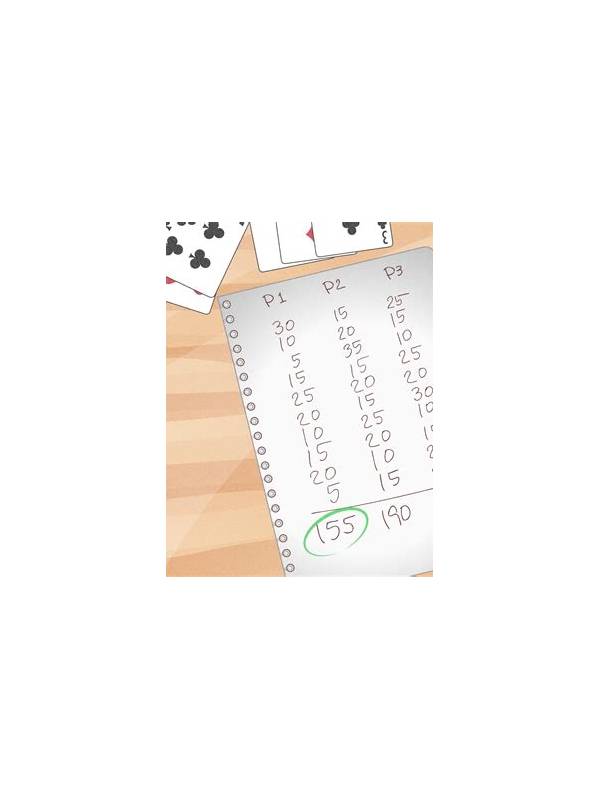
A last-three-cards checklist creates a consistent final review for sequences, sets, penalty, and declaration readiness. [...]

Separating visible card evidence from personal assumptions keeps rummy decisions grounded when the hand is incomplete. [...]