
Rummy FAQ: Why Is a Legal Hand Not Always a Good Hand? Rummy FAQ: Why Is a Legal Hand Not Always a Good Hand?
A hand can satisfy a rule while still reflecting poor timing, unnecessary risk, or a costly route to completion. [...]
A hand can satisfy a rule while still reflecting poor timing, unnecessary risk, or a costly route to completion. [...]
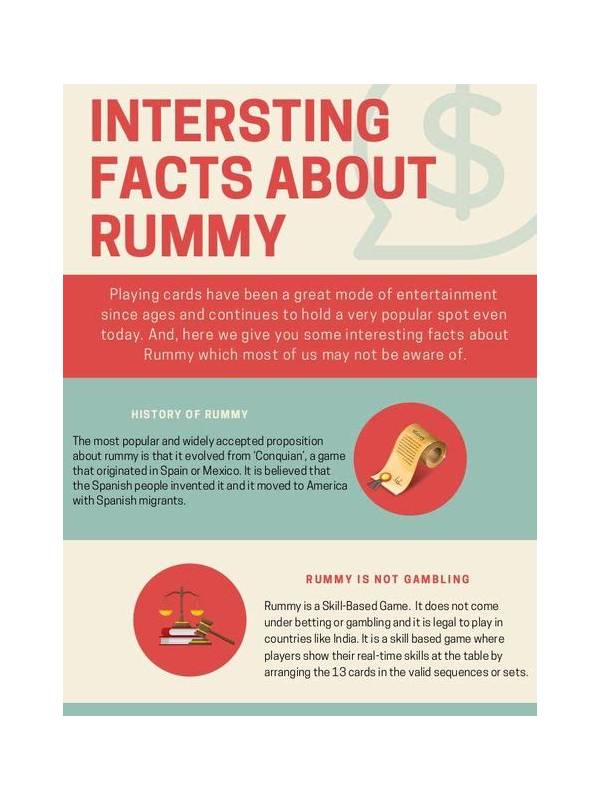
The first draw should update your hand assessment, not force you into a permanent plan before the structure is clear. [...]
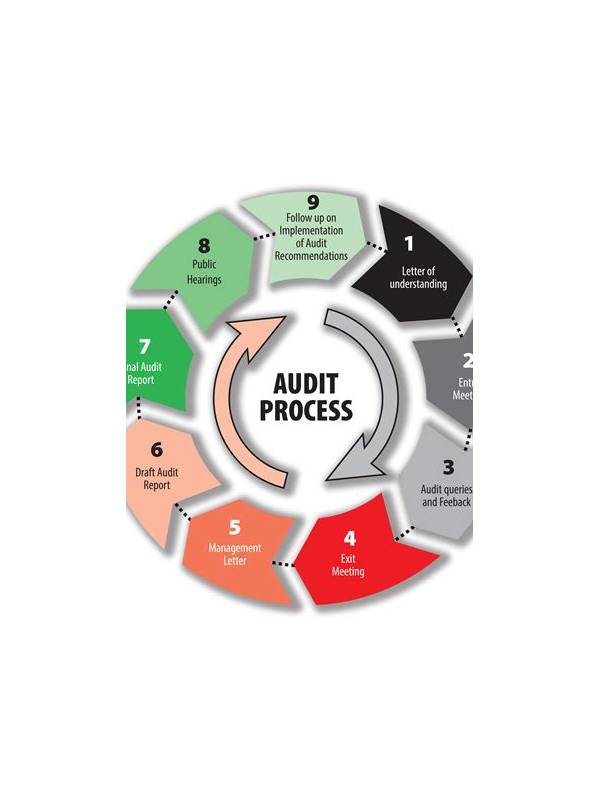
A short table audit checks rules, pace, stakes, and comfort before you commit attention or money to a new game. [...]

Comparing early and delayed meld formation helps you balance information, flexibility, and the danger of carrying weak cards. [...]
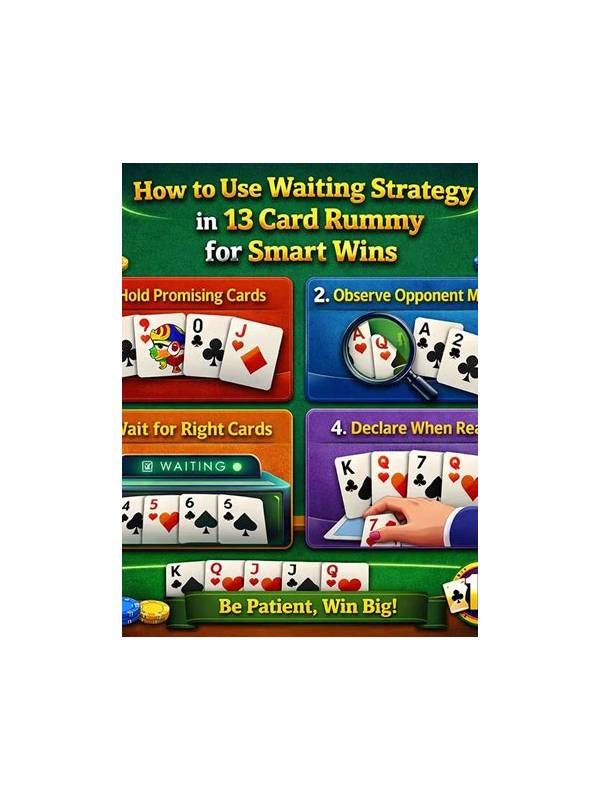
A waiting-card ladder ranks possible completions so you can choose a realistic route instead of chasing every connection. [...]
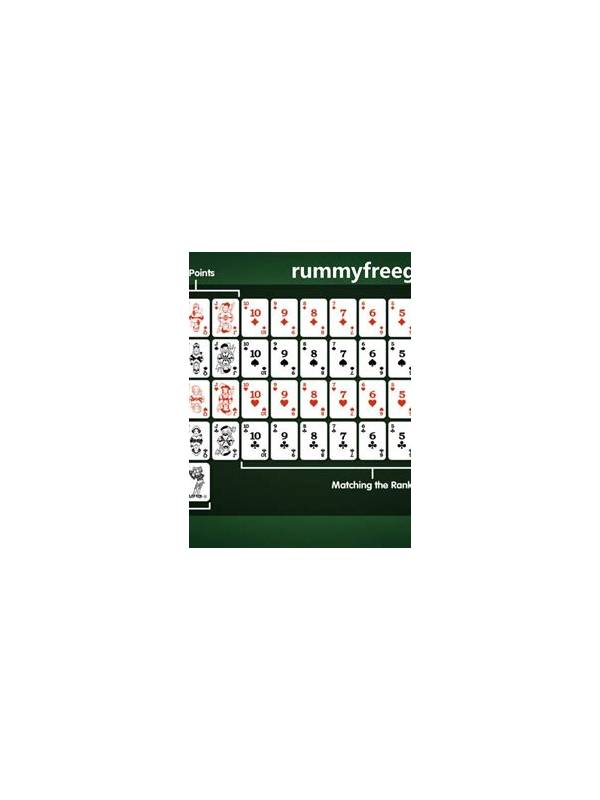
Reordering the hand after every discard reduces missed connections and prevents old plans from lingering unseen. [...]

Simplifying means reducing competing commitments so the remaining cards support a clearer legal route. [...]

A simple personal rule can reduce hesitation when an unsupported high card remains in your hand. [...]

Three simple passes through the discard pile can separate useful evidence from distracting card noise. [...]
Denial can matter, but taking a card without improving your own hand often creates a costly distraction. [...]