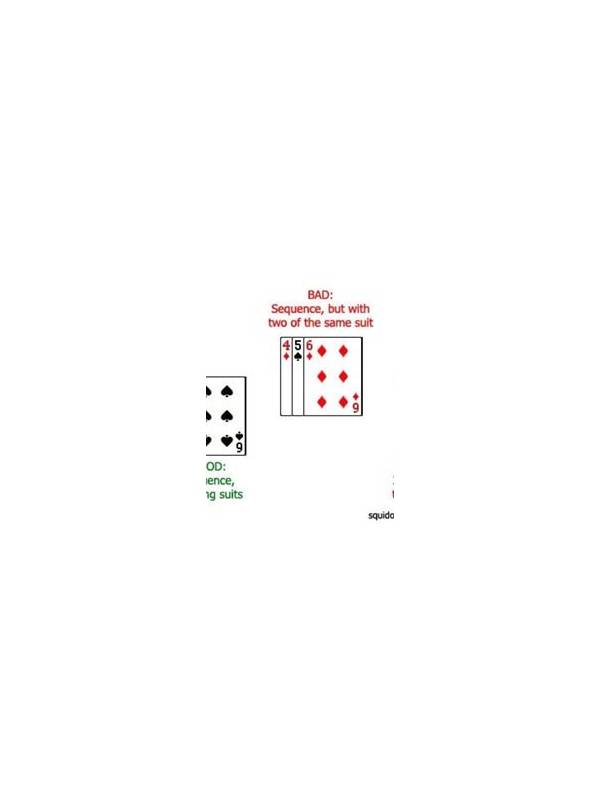
Rummy FAQ: Why Count Unseen Cards?
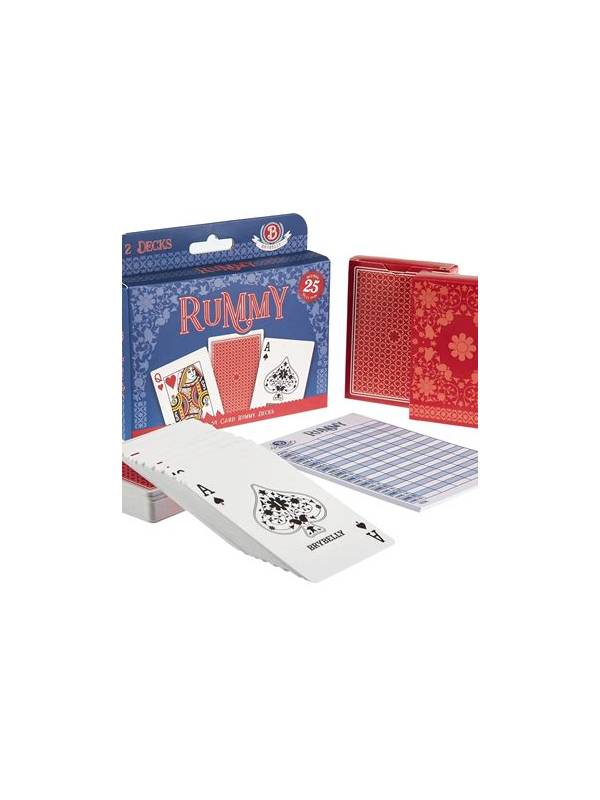
Why count unseen cards in rummy? Counting unseen cards can help you understand uncertainty, but it cannot reveal another player’s hand. The exercise is useful because it prevents a visible discard list from being mistaken for complete information. It should support a cautious decision, not create false precision.
Begin with the cards you actually know about: your hand, exposed melds, and visible discards where the rules make them public. The rest belong to an unseen pool. When considering a needed card, ask how many copies could still be available in that pool. If many relevant cards are already accounted for, the plan is narrower than it first appeared.
Keep the count approximate unless the format and information truly support an exact calculation. A card may be unseen because it is held by an opponent, waiting in a draw pile, or unavailable under a special rule. Saying “several possibilities remain” is often more honest and useful than declaring a precise percentage based on assumptions.
Use the count to compare plans. A combination requiring one of four possible connectors is structurally different from one requiring a single exact card. If both options have similar value, the broader requirement may be preferable. However, do not abandon a legal, nearly complete structure solely because another plan has more theoretical outs. Your own hand’s stability and the risk of helping an opponent still matter.
Stop counting when it starts to slow basic play or increase anxiety. The purpose is to improve awareness of uncertainty. After the round, review whether the count changed your decision in a meaningful way. If not, simplify the method. Good card tracking makes the unknown clearer; it does not make the unknown disappear. Avoid using unseen-card counts to accuse or pressure another player. A card that has not appeared may be in any hidden location, and a player’s choice can have several reasonable explanations. Keep the exercise private and practical: it is about evaluating your own plan. If the count conflicts with a nearly complete legal structure, prefer the rule-based structure unless the alternative has a clear advantage. Recheck the count when the discard history changes, because a stale count can be more misleading than no count at all. The count should make you cautious about narrow plans, not confident that a particular card will arrive. Unknown cards remain unknown until the rules or public information prove otherwise. Keep counts approximate.
Related Post
Rummy How-To: Audit the First Legal Meld
Checking the first legal meld for strength, flexibility, and opportunity cost can keep early progress [...]
Rummy FAQ: When Is a Plan Too Complicated?
This FAQ offers signs that a rummy hand contains more competing plans than it can [...]