Rummy How-To: Audit the First Legal Meld
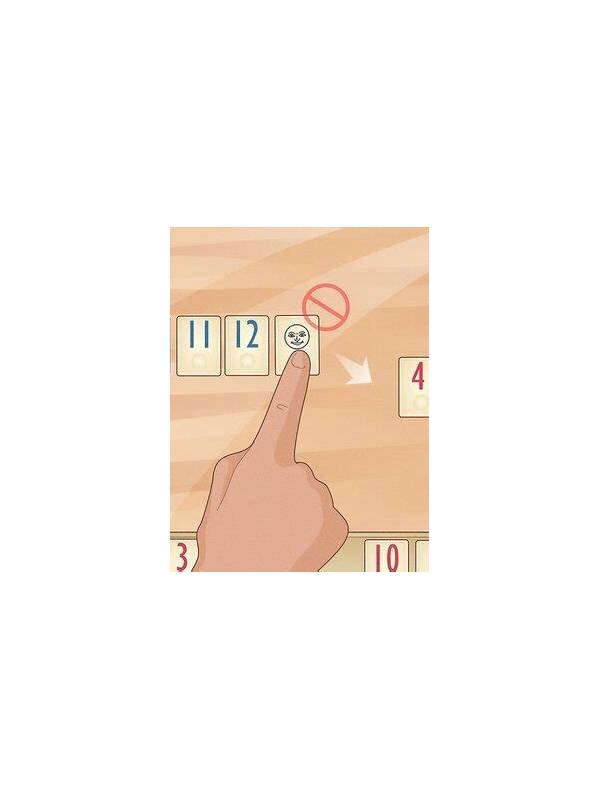
The first legal meld in a rummy hand often feels like a clear success. It reduces uncertainty and may protect points, but it can also use cards that would support a stronger structure later. A quick audit helps you decide whether the meld should remain fixed or be treated as a working arrangement.
First verify legality under the exact variant. Check sequence order, suit requirements, set rules, joker treatment, and any minimum declaration conditions. Do not let a visually convincing group receive strategic value before it receives a rules check. If the format has special restrictions, write them at the top of your notes before practicing.
Next, count what the meld consumes. Which cards are now unavailable for other routes? Does it use a central connector, a scarce rank, or a joker that could repair a more difficult group? The meld may still be correct, but understanding its opportunity cost makes the next turn easier to plan.
Then test its flexibility. A secure group is easy to protect and difficult to improve, while a working group may be rearranged if a better card appears. Give the meld one of three labels: lock, review, or release. A lock is already efficient and supports the final structure. Review means it is legal but may need comparison. Release means keeping it would create more problems than it solves.
After labeling, inspect the remaining cards without the meld. Ask what the hand still requires and which card now acts as the bottleneck. This prevents the first meld from becoming the entire plan. If the remaining hand has one narrow route, preserve a fallback even when the initial group looks attractive.
Repeat the audit after a meaningful draw or public change. You do not need to question every group constantly. The purpose is to catch the moment when a legal first step stops being the best foundation. Early progress is useful when it reduces future work; it is risky when it hides the work that remains.
When practicing, do the audit aloud once and silently once. Speaking forces you to name the cost, while the silent repetition tests whether the routine can fit normal play. If the audit takes too long, shorten it to legality, remaining requirement, and flexibility. A compact routine that you actually use is more valuable than a perfect checklist that interrupts every turn.
Related Post

Rummy Tips: Separate Evidence From Guesswork
A simple evidence check keeps table observations useful without turning them into certainty. [...]
Rummy FAQ: What Does a Failed Draw Actually Tell You?
A missed draw is evidence about timing and priority, but it does not automatically prove [...]