Rummy Comparison: Sorting by Suit First or by Rank First
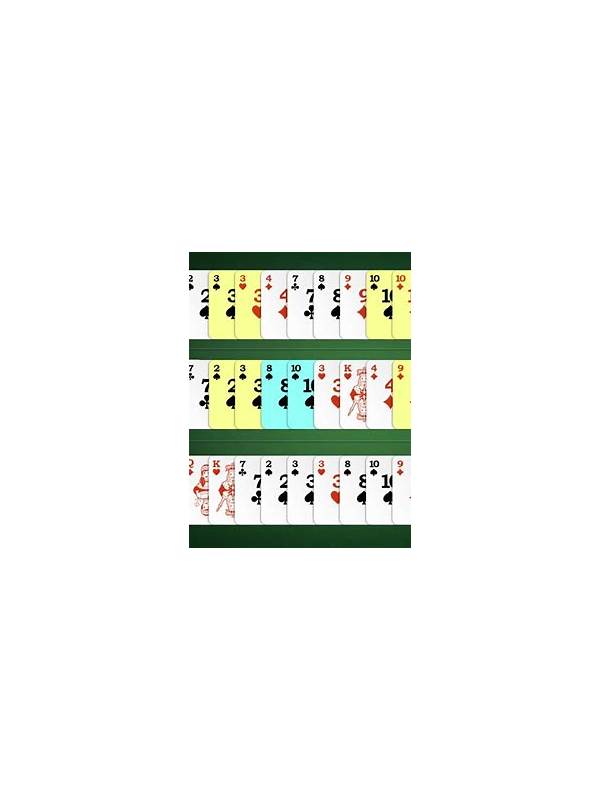
Sorting by suit and sorting by rank are both useful, but they answer different questions. Suit-first sorting makes runs visible. Rank-first sorting makes pairs, sets, and repeated values easier to compare. Choosing a method deliberately can reduce the time spent rearranging cards while a decision is waiting.
Suit-first sorting is helpful when your main task is to identify sequences. Adjacent cards stand next to one another, so gaps are easier to see. This arrangement also makes it simpler to notice whether a possible group is pure or needs a wild card. The downside is that repeated ranks across suits can become visually scattered.
Rank-first sorting is useful when you are checking set potential or counting duplicate values. It helps you compare the same rank across suits and spot which cards could serve more than one plan. Its weakness is that sequence shapes become less obvious, especially when the hand has many middle cards.
Try a two-stage method rather than insisting on one permanent layout. Begin with the arrangement that matches the hand’s main question. After a new draw, briefly switch views if the first arrangement hides an important relationship. On a small screen, avoid constant movement; a quick mental scan can be better than repeated dragging.
Whichever method you choose, keep confirmed groups separate from unfinished cards. A clear boundary prevents accidental rearrangement of a structure you meant to preserve. Use the same visual convention each session, such as placing wild cards in a small neutral area, so your layout becomes a memory aid instead of another decision.
There is no universally superior sorting order. The best arrangement is the one that reveals your current constraint with the least effort. Practice both methods in no-stakes settings and note which one reduces missed connections for you. Flexible sorting is more valuable than loyalty to a single screen layout.
For practice, sort the same dealt hand both ways and give yourself thirty seconds to describe its strongest structure. Compare which arrangement made the explanation easier. Repeat with a hand containing more pairs and then with one containing more consecutive cards. The result will show which view helps you under different conditions, and it may suggest a personal default layout without turning that default into a rigid rule.
If the interface supports custom ordering, use consistent spacing or grouping rather than decorative changes. The purpose of sorting is to lower mental load. If a layout looks attractive but hides a gap or duplicate, return to the simpler arrangement. Test any change in a quiet practice setting before using it when the pace is demanding.
Related Post
Rummy Guide: Build a Clean Endgame From the Middle
A practical way to preserve useful options while turning a developing hand into a reliable [...]
Rummy Guide: Compare Routes by Cards They Leave Free
The best route often preserves useful cards outside the group it is trying to complete. [...]