Rummy How-To: Audit a Completed Hand Without Blaming Luck
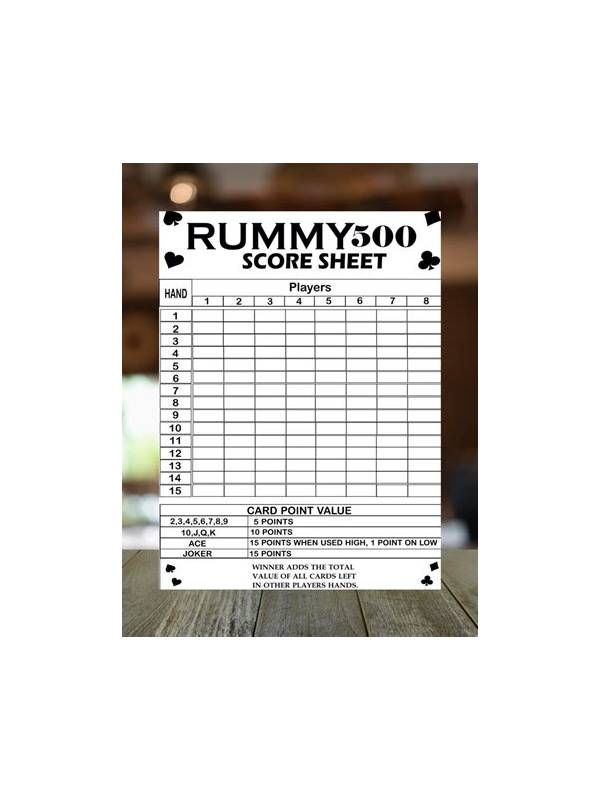
Reviewing a completed hand is most useful when it distinguishes uncertainty from choice. A poor result does not prove every decision was poor, and a win does not prove every decision was sound. A neutral review asks what was visible at the time and what alternative was realistically available.
Begin with a factual timeline. Note the opening structure, major draws, important discards, and the point when your plan changed. Avoid labels such as “terrible” or “obvious” until the timeline is complete. Those words often reflect the ending rather than the information available during play.
Next, classify each important decision. It may have preserved a confirmed group, reduced point exposure, pursued a connection, responded to public information, or simply followed a habit. If you cannot name the reason, mark the choice as unclear. Unclear is a useful category because it identifies where a future checklist may help.
Then compare one alternative. Do not create a long list of imaginary lines. Ask whether another discard or draw would have improved structure, lowered risk, or provided better flexibility. If the alternative required several unlikely cards, record that limitation. A review should measure the quality of the decision, not just whether the alternative happened to succeed.
Separate luck from process. An opponent may draw the exact card needed, or the needed card may remain unseen. Those events affect outcomes but are not always controllable. Your process includes checking the rules, counting realistic improvements, managing time, and stopping when attention is unreliable. Improve process even when results cannot be guaranteed.
End with one action for the next session. It could be “name the next desired draw,” “pause before discarding a high card,” or “review the format first.” One action is easier to test than a broad promise to play perfectly. Over time, these small reviews build a record of decisions that is more informative than a win-loss tally alone.
If the review is still emotionally charged, wait before writing the conclusion. A short delay can separate disappointment from useful evidence. When you return, use the same questions for both successful and unsuccessful hands. Consistency matters because it prevents you from examining losses in extreme detail while accepting wins without scrutiny. The purpose is a fair record of decision quality across different outcomes.
Use a simple confidence label such as low, medium, or high beside each conclusion. High confidence should require strong evidence that was visible before the result. This prevents hindsight from making every alternative seem obvious. Over several reviews, the labels can show whether your uncertainty is shrinking for the right reasons or merely being hidden by familiar language.
Related Post

Rummy Guide: Count Live Outs Without Overcounting
A careful live-out count shows which draws genuinely help without treating the same card as [...]
Rummy Guide: Use Time Controls to Improve Decision Quality
Time controls can create a repeatable pace that supports careful rummy choices without making play [...]