Rummy FAQ: What Makes a Card a Good Bridge?
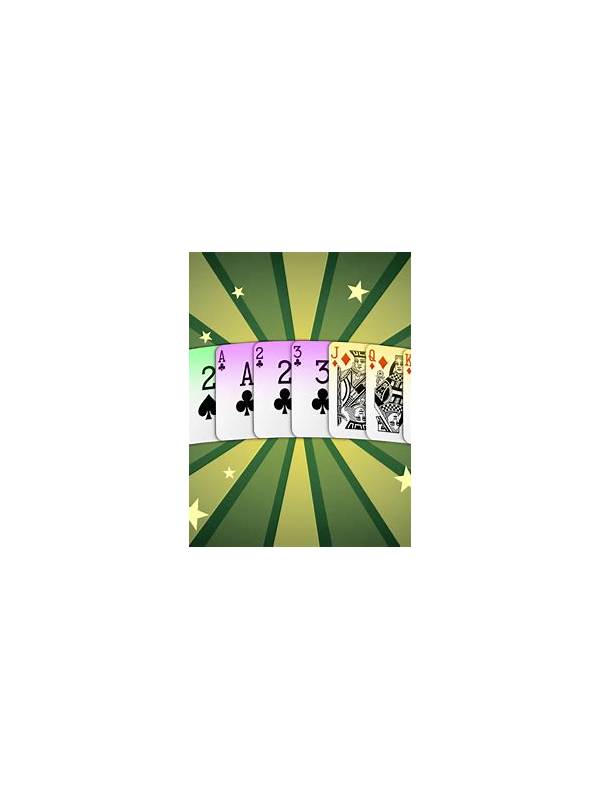
A bridge card is one that can connect two nearby ideas in a hand. It may sit between ranks in a possible sequence or support more than one set direction. Because bridge cards feel versatile, they are easy to overvalue. Their quality depends on the actual routes they support, not on the label alone.
Check both sides of the bridge
Ask which exact cards could join the bridge on either side. If only one side is legal or useful, it is not truly a two-way bridge. If both sides work, count whether the resulting groups are compatible with the rest of the hand. A bridge that connects two weak groups may still be less valuable than a card supporting one strong group.
Separate present value from future value
Present value comes from groups already visible in the hand. Future value comes from possible draws. Record these separately. A card with no present connection but several theoretical futures is a speculative card. It may be worth keeping briefly, but it should have a release condition.
Consider opportunity cost
Keeping a bridge occupies hand space and may force another discard. Compare it with the card you would remove to keep it. A medium card that supports a pure sequence may be preferable to a high bridge with many imagined uses. The right question is not “How many routes can this card join?” but “What is the best alternative use of this space?”
Watch for crowded routes
If several cards in your hand depend on the same narrow bridge, the bridge is carrying too much responsibility. One missing draw could damage multiple plans. Mark the bridge as overloaded and decide which structure deserves priority. This is different from merely having several options: the options may not be independent.
Use a short test
Before keeping a bridge, name two exact helpful cards, one fallback, and one card you would release first. If you cannot answer, the card is probably being kept because it looks promising rather than because it has a defined job.
After the hand, note whether the bridge created a useful connection or merely delayed a cleaner discard. Over time, this review improves your ability to recognize genuine flexibility without treating every middle card as special.
It also helps to compare the bridge with cards visible in the discard pile. A theoretically helpful card may already be unavailable, while a less obvious connection may remain open. Keep that observation factual: note what was visible, then update the route. This keeps the word “flexible” tied to current evidence rather than to a general impression about a rank.
Related Post
Rummy How-To: Create an Alternate Sequence Plan
An alternate sequence plan gives a hand a practical route forward when the first draw [...]
Rummy Safety: Keep Transaction Records Separate From Game Notes
Separating payment records from strategy notes makes account review and spending checks easier. [...]