Rummy Safety: Keep Payment Decisions Separate From Game Decisions

Game decisions and payment decisions use different kinds of judgment. A draw or discard is part of a hand; adding money changes your financial exposure. Combining them in the same emotional moment can make a frustrating result feel like a reason to spend. Keep the decisions separate with rules set before the session begins.
Start by checking whether paid play is legal and available to you under local rules and the platform’s terms. If you choose to use a paid feature, set a fixed budget that you can afford to lose. Do not treat winnings, bonuses, or a previous deposit as permission to increase the budget. Record the amount outside the game so the balance is visible and not distorted by animated counters or promotional language.
Use a pause between a game result and any payment action. A ten-minute break, a glass of water, or a brief walk can be enough to interrupt a revenge-spending impulse. During the pause, ask whether you would make the same payment if the last hand had ended differently. If the answer is no, keep the boundary and stop for the day.
Turn off promotional notifications when possible, and read bonus terms before accepting anything. A bonus may have playthrough, expiry, withdrawal, or eligibility conditions. Never share a password or one-time security code to unlock a reward. If a support message pressures you to pay immediately or move a conversation to an unverified channel, stop and verify the request independently.
Finally, use limits that are easy to enforce: a deposit cap, a session timer, and a clear stop condition. If the platform offers account controls, review them before playing. If spending feels difficult to control, do not rely on willpower; pause access and seek support from a trusted person or a relevant help service. Skill at cards is never a reason to ignore financial safety. If you share a device or payment method, protect access separately from play. Use a device lock, review saved payment options, and avoid leaving an account signed in on a public or borrowed device. Keep receipts and support messages so a disputed transaction can be documented, but never send passwords or security codes in response to a request. When the budget or timer is reached, close the session regardless of whether the last hand was a win or loss. If a session repeatedly ends with unplanned spending, treat that pattern as a safety signal, not a strategy problem. Stop using paid features, enable stronger account limits where available, and talk with someone you trust. A game should fit inside your financial plan; your financial plan should never be changed to chase a game result.
Related Post
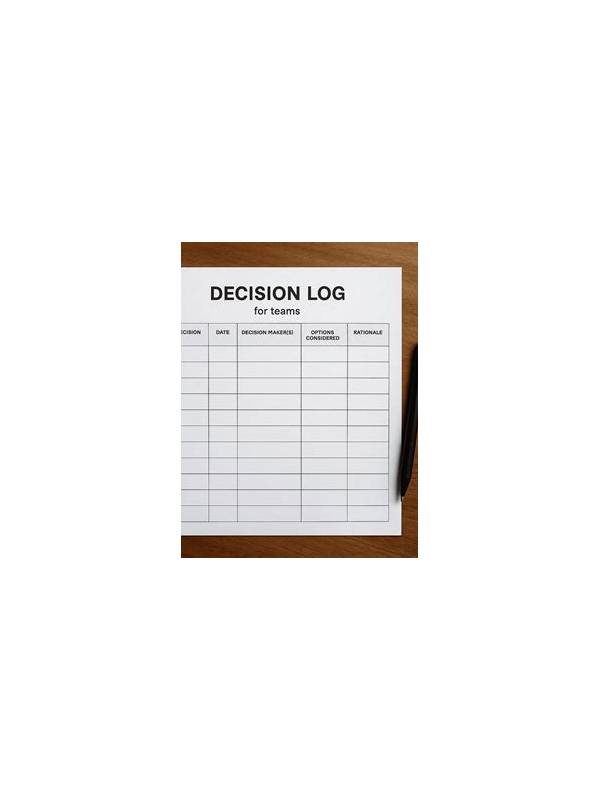
Rummy Guide: Use a Decision Log to Review Finished Hands
A short decision log turns finished rummy hands into specific lessons instead of broad impressions [...]
Rummy Comparison: Single-Task Sorting Versus Constant Rearranging
Two sorting styles affect attention differently, and a deliberate sequence is usually easier to review. [...]