Rummy Guide: Use a Decision Log to Review Finished Hands
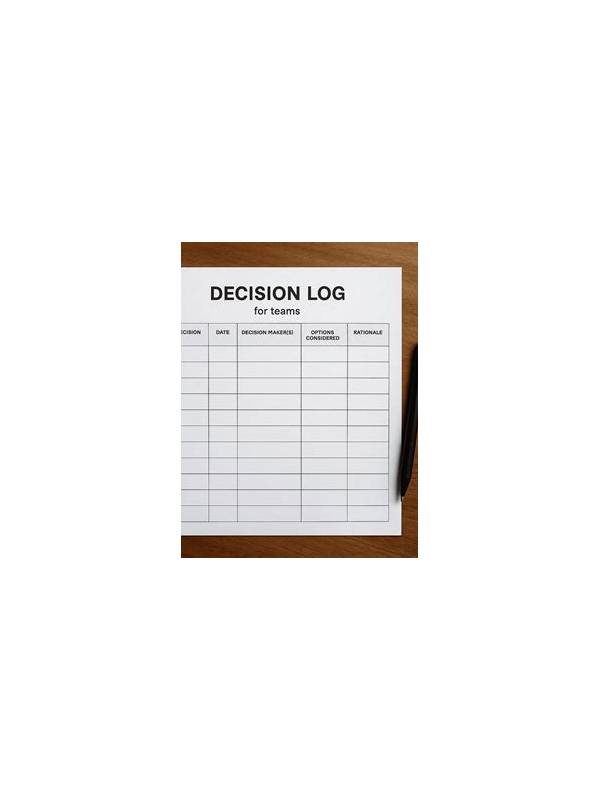
Reviewing a finished rummy hand is most useful when you remember the decisions, not just the result. A short decision log provides enough structure to identify habits without requiring a detailed record of every card. It can be written on paper, in a private note, or in a simple spreadsheet.
Record the starting hand and the first intended plan in one or two sentences. Do not rewrite the hand after seeing later cards. The purpose is to preserve your original information state. If the plan changed, note the turn and the evidence that caused the change.
For each important discard, write three items: the card released, the group you were protecting, and the main alternative you considered. This is more valuable than writing “good move” or “bad move.” It reveals whether you were reducing points, preserving flexibility, chasing a narrow draw, or reacting to an opponent.
After the hand ends, review decisions in order. Ask whether the plan was reasonable with the information available at the time. Avoid judging every choice by whether the next card would have helped. A sound discard can be followed by an unlucky draw, and a weak discard can be rewarded by chance.
Look for repeated patterns across several logs. You may discover that you hold isolated high cards too long, switch plans whenever a pair appears, or neglect a table requirement while chasing a set. One hand offers a story; several hands offer evidence. Choose one pattern to address in the next practice session.
Keep the log short enough to maintain. A useful entry may fit in five lines. If recording becomes a second game, you will stop doing it. Focus on moments of uncertainty, not routine moves that required no real comparison.
Protect privacy and financial boundaries when storing notes. Do not include passwords, payment information, or other players’ personal details. If the app has account identifiers, use a neutral label instead of copying sensitive data.
The value of a decision log is its honesty. It captures what you knew, what you believed, and what you chose. That makes improvement more practical than relying on memory’s tendency to highlight dramatic wins and frustrating losses. Review calmly, identify one repeatable adjustment, and test it in a later session.
You can add a confidence mark beside difficult decisions: high, medium, or low. Later, compare confidence with the quality of the reasoning, not with the final score. This can reveal whether uncertainty is being managed accurately or merely hidden behind confident language.
Related Post

Rummy Guide: Map the Weakest Link in Your Hand
A simple weakness map helps you decide which unfinished group deserves attention first. [...]
Rummy Tips: Rehearse the Next Discard
A brief rehearsal of the next discard reduces hesitation and keeps a useful draw from [...]