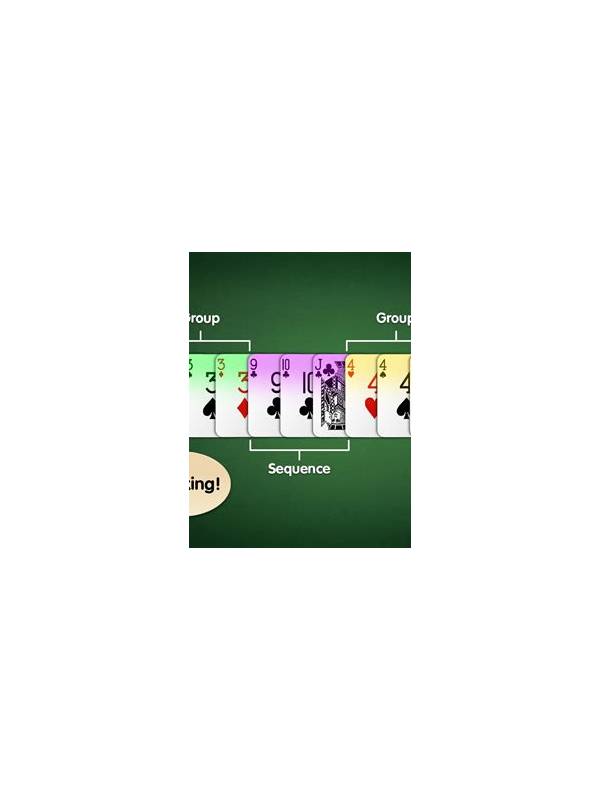
Rummy How-To: Make a Final Declaration Checklist
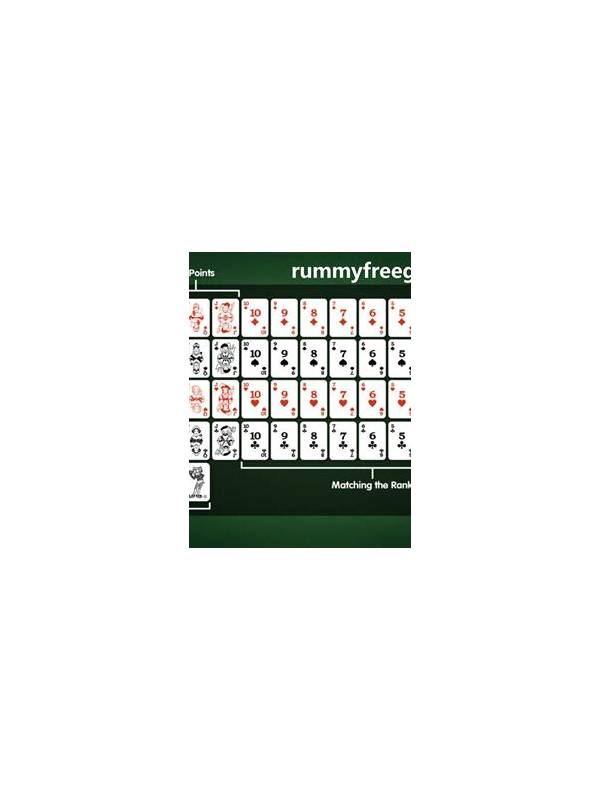
A final declaration deserves a checklist because excitement can hide a small structural error. The exact rules vary by format, so begin with the table’s official requirements. Your checklist should confirm legality, required sequences, card coverage, and the action you are about to submit. It should be brief enough to use under a time limit.
First, count every card. Each card should belong to a displayed group, and no card should be silently used twice. Check that every sequence follows the permitted order and suit rules. Check that every set contains allowed ranks and distinct suits where required. If a joker is present, identify the natural card it represents and confirm that the substitution is allowed in that group.
Second, verify the mandatory structure. In many Indian rummy formats, at least one pure sequence is required, but the number and type of sequences can depend on the variant. Do not rely on memory when the help page or table indicator is available. A hand can look complete and still be invalid because one group is impure, too short, or incorrectly arranged.
Third, pause for a risk check. Are you declaring because the hand is legal, or because you are reacting to an opponent’s apparent progress? Have you accidentally moved a card while sorting? Does the platform offer a preview or confirmation screen? Use it. If you notice uncertainty, take the time allowed to inspect the groups rather than submitting a guess.
After the hand, record any checklist item that caught an error. If everything was clear, keep the same short routine. Avoid adding every possible rule to the list; an overloaded checklist becomes another source of confusion. A good final check is a calm sequence of confirmations that protects a valid hand from a preventable last-second mistake. Keep the checklist visible in your mental order: groups, requirements, coverage, submit. Groups asks whether each arrangement is valid. Requirements asks whether the variant’s mandatory structure is present. Coverage asks whether every card is accounted for exactly once. Submit asks whether the selected action matches the reviewed arrangement. If the platform changes its interface or rules, update the routine rather than assuming old habits still apply. A declaration should be the result of a verified hand, not simply the moment when the cards look organized. Run the checklist before the action becomes urgent, leaving a moment for correction. If a card is still ambiguous, separate it from the other groups and inspect it again. When a declaration fails, read the reason provided by the platform and add only the missing check to your routine. The purpose is prevention and learning, never repeated submission of guesses.
Related Post
Rummy FAQ: Can a Good Draw Still Create a Bad Decision?
A helpful-looking draw can be harmful when it encourages a narrow plan or forces a [...]
How to Read Rummy Game Rules Before Joining a Table
A focused rules review helps players understand entry, scoring, timing, and withdrawal conditions before play. [...]