Rummy Strategy: Count Safe Exits Before Committing
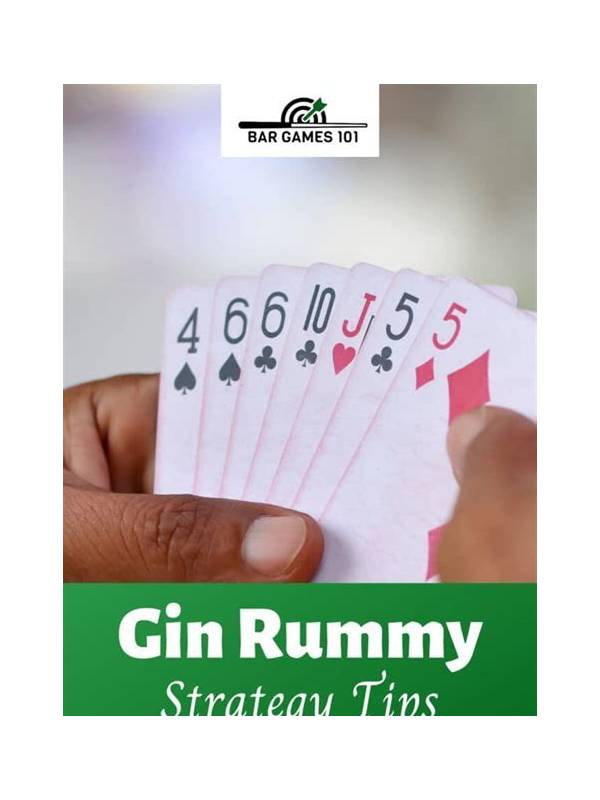
In rummy, a hand can look close to completion while depending on one very specific card. That is a dangerous position. A useful improvement is to count the safe exits around each proposed combination before committing to it. An exit is a card you can draw, keep, or discard without making the rest of the hand much worse.
Start by separating firm groups from hopeful ideas. A firm group already has a clear structure, such as a pure sequence or a three-card set. A hopeful idea may be a pair, two neighboring cards, or a group that needs a joker. Do not give both types the same value. The hopeful idea should earn its place by having several possible next cards.
For a pair such as seven and eight of the same suit, list the cards that could extend it on either side. Then check whether those cards would also help another part of the hand. A nine may complete one line, while a six may create a different line. Two useful directions are safer than a single narrow draw. A lone pair with only one realistic extension deserves a deadline.
Next, count the cost of keeping the idea. Ask what you must throw away to preserve it. If holding two speculative cards forces you to retain a high-value card or break a nearly complete sequence, the combination may be costing more than it offers. The best drawing opportunity is not always the one with the most theoretical outs; it is the one that improves the hand without damaging an existing structure.
Use a simple three-level label. Mark a combination as open when it can improve in several ways, guarded when it has a couple of useful cards, and narrow when it depends on one card or one unlikely event. Recheck the label after every draw because a discarded or exposed card can change the practical value of an option.
This method also helps with discards. A card that has no safe exit and no connection to a firm group is a strong discard candidate, even if it once looked attractive. Conversely, a modest pair with multiple extensions may be worth keeping for another turn. The aim is not to predict the exact next card. It is to preserve more than one reasonable route to a legal declaration.
Before committing, ask three questions: How many cards improve this idea? Does keeping it protect or damage a completed group? What will I do if the next draw misses? Clear answers make the hand easier to manage and reduce rushed decisions.
Related Post
Rummy Rule Exceptions: How to Check Before Relying on Memory
Use a short exception check whenever a familiar rummy rule may differ in the format [...]
Rummy Reset Routine After a Difficult Hand
A short reset routine helps you review a difficult hand without carrying frustration into the [...]