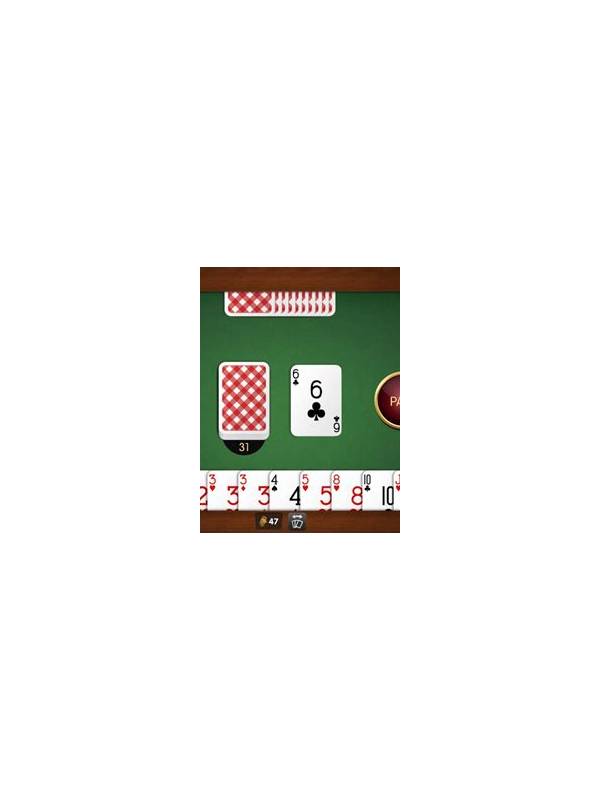
Rummy Guide: Plan Around Flexible Connectors
A connector is a card that can join more than one useful arrangement. It may sit between ranks in a sequence, support a set, or work with different suits depending on the cards around it. Connectors are valuable because they preserve choice, but keeping every connector forever can also make a hand crowded and indecisive.
To identify one, look at each unmatched card and list its realistic neighbors. A middle rank often has more sequence neighbors than an edge rank, but the actual value depends on suit and the cards already visible. Then ask whether the card supports a second route. A connector that fits only one narrow idea is less flexible than one that can help two independent groups.
Keep connectors while they improve your options, not because they look attractive. If a card has no supporting neighbor after several turns, lower its priority. If it blocks you from discarding a high-value card, compare its theoretical flexibility with the immediate risk. Flexibility has value only when you can convert it into a legal group or a safer hand.
Use a connector as an anchor when the rest of the hand is unstable. Build around it with cards that are already available, but avoid collecting every nearby rank without a clear route. A compact group with a defined missing card is easier to evaluate than a large cluster of loosely related cards. Each turn, identify which connector has the best exit and which has become redundant.
The best review question is simple: “How many useful decisions does this card give me next turn?” If the answer is two or three, keeping it may be sensible. If the answer is one uncertain possibility and a high penalty, prepare to release it. This approach balances flexibility with action and prevents connectors from becoming permanent passengers in the hand.
Related Post
Rummy Rule Variations: Confirm Details Before You Play
Checking small rule differences early can prevent avoidable disputes about groups, turns, and scoring. [...]
Rummy Guide: Use a Three-Question Draw Filter
A quick filter helps you judge a new card without abandoning a workable hand too [...]