Rummy Draw Sources: How to Use the Open and Closed Piles
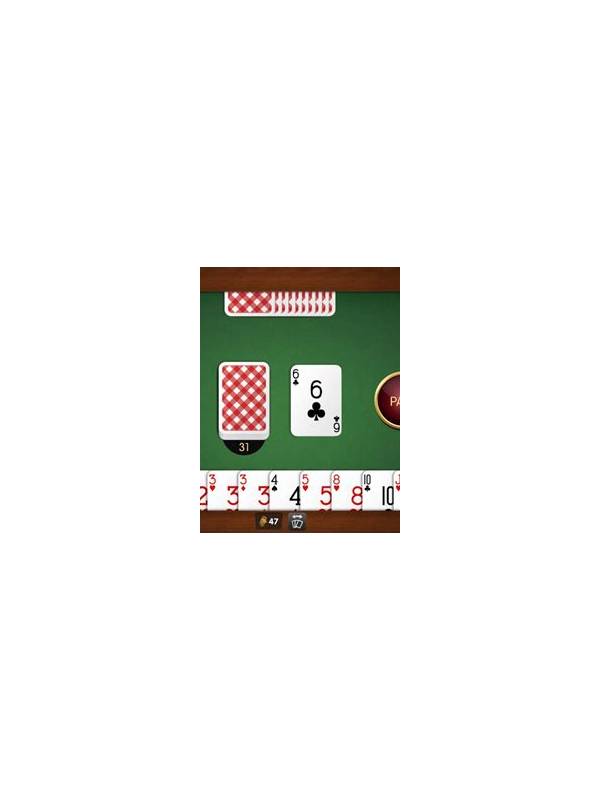
The open discard pile and the closed draw pile offer different kinds of information. The closed pile provides uncertainty and privacy, while the open pile gives you a visible card and a clue about what another player did not need. Using either pile automatically is less effective than choosing based on your current hand.
Take from the open pile with a reason
An open card is useful when it completes a combination, creates a strong two-way connection, or clearly improves the structure of the hand. Before taking it, state the intended group mentally. If you cannot name the group, the card may only be attractive because it is visible. Taking a card also communicates information to opponents, so the improvement should justify that signal.
Treat the closed pile as a reset
The closed pile is appropriate when the open card does not fit your plan or would reveal too much. It can produce a needed neighbor without telling other players exactly what you are building. However, random draws should not become an excuse to hold every weak possibility. After drawing, reassess the full hand and remove a card that no longer belongs.
Read discards carefully
A discarded card is not proof that an opponent lacks its suit or rank. It may have been a duplicate, a deliberate safety choice, or simply irrelevant at that moment. Use the pile as one clue among several. Avoid chasing a card only because a nearby card appeared; the connection still needs to fit your own required structure.
Remember table rules
Some formats restrict which pile can be taken at particular moments, and interfaces may handle declarations or penalties differently. Read the table instructions before starting. If the app shows a confirmation panel, verify the selected pile and card before committing. Clear understanding prevents avoidable mistakes that no strategy can repair.
The practical habit is simple: identify the improvement, consider the information revealed, and then choose the source that best serves the plan. A visible discard is a tool, not a command. A closed draw is a chance, not a promise. Keeping that distinction helps the hand remain flexible without becoming directionless.
You can practice this choice with paper cards. Turn one card face up as the open pile and keep the rest face down. Before drawing, explain why you would take or decline the visible card. Afterward, compare the hand with the plan you stated. This exercise builds deliberate choices without involving a live opponent or financial pressure.
Related Post
Rummy How-To: Write a One-Line Plan After Each Draw
A one-line plan keeps the next decision visible and makes later hand reviews faster and [...]
Rummy FAQ: Can a Sequence Change Its Role Mid-Hand?
A sequence can shift from a primary completion plan to a backup or finished group [...]