Rummy Guide: Make a Personal Glossary of Table Terms
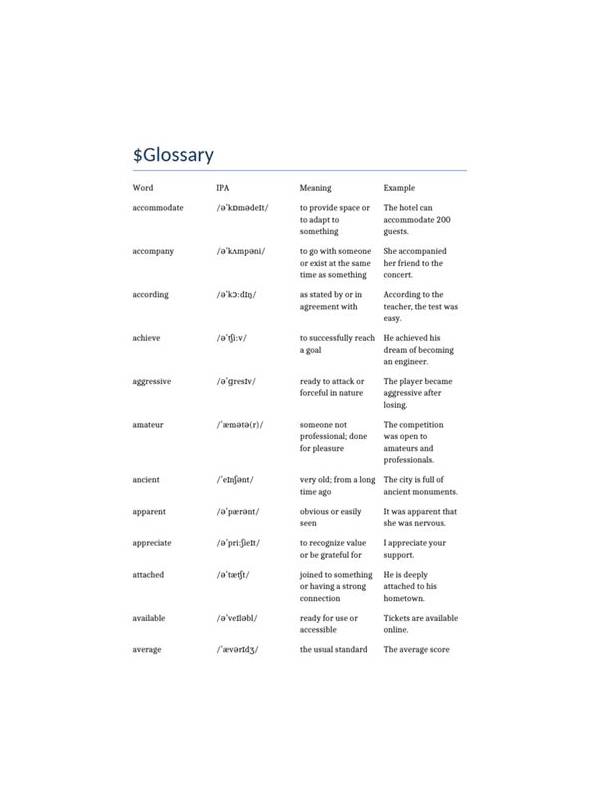
Rummy terms can vary between regions, platforms, and formats. A personal glossary is a simple way to keep definitions clear. It is especially useful when you move from a casual table to an app with different declaration or scoring rules.
Start with terms that affect validity: sequence, pure sequence, impure sequence, set, joker, declaration, penalty, and drop. Write each definition in your own words, then compare it with the current rule page for the specific game. Do not assume that a familiar term has the same meaning everywhere. Record exceptions beside the definition rather than relying on memory.
Add a second group for decisions: live connection, isolated card, flexible card, primary route, backup route, and checkpoint. These may not be official rule terms, but they help you describe your thinking. A phrase such as “I kept a narrow route past its checkpoint” is more useful in review than “the hand went badly.”
Include a section for interface labels. Note what each button means before using it in a serious session. Some platforms distinguish between leaving a table, dropping a hand, and confirming a declaration. Read prompts slowly, especially when money, identity checks, or account changes are involved.
Keep the glossary short and revise it after a rule surprise. If another player uses a different term, ask what action they mean rather than arguing over vocabulary. The goal is shared understanding. A screenshot or copied rule excerpt can help, but remove private account information before storing it.
Review the glossary before trying a new variant. Mark definitions that changed and choose a low-stakes practice table if available. This small preparation can prevent a technical misunderstanding from looking like a strategy failure. Clear language supports clear decisions, and clear decisions are easier to improve.
Avoid collecting jargon merely to sound experienced. A term is worth keeping when it helps you notice a condition or communicate an action. If a word has several meanings, include an example and a non-example. For instance, a “live connection” should name the cards that could improve it; otherwise the label can hide a vague hope. Your glossary should make thinking more precise, not more complicated.
Keep the glossary in a place you can edit, and date changes when rules are updated. A dated note prevents an old definition from silently controlling a new session. If a platform’s help page is unclear, mark the term as unresolved and ask support before relying on it.
Related Post
Rummy Comparison: Paper Layouts Versus App Sorting
Paper layouts and app sorting reveal different details, so comparing them can improve both visual [...]
Rummy Comparison: Short Hands Versus Long Hands
Compare short and long rummy hand structures by speed, flexibility, and the cost of remaining [...]