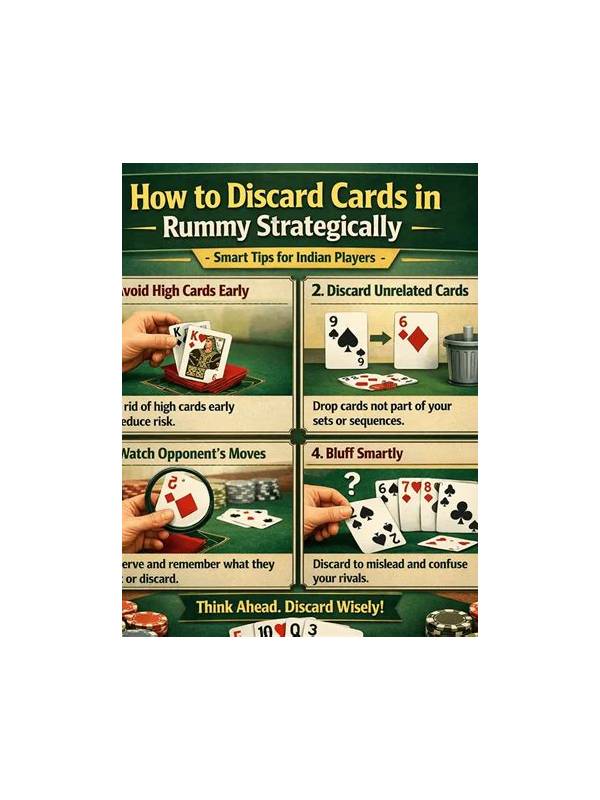
Rummy Comparison: Short Hands Versus Long Hands
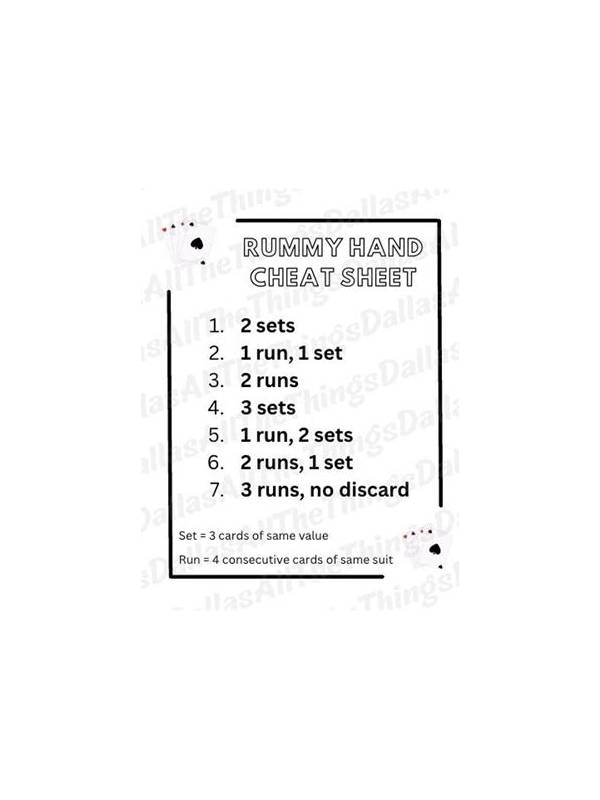
A short-looking rummy hand is not always closer to completion than a crowded one. Three visible groups may include two pairs, while a longer arrangement may already contain a legal sequence and several useful connections. Comparing hands by appearance alone can lead to rushed decisions. Instead, compare the number and quality of unresolved needs.
Short hands have an obvious advantage: they are easier to scan. Fewer cards can reduce sorting errors and make the next discard clearer. They can also support a fast finish when the remaining groups need broad, realistic draws. Their weakness is fragility. If each short group depends on one exact card, the hand may stall despite looking tidy.
Longer hands often preserve more options. A middle card may connect in two directions, and an extra pair can become either a set or a sequence. This flexibility is valuable early in a deal. The cost is attention. More options make it easier to keep obsolete ideas and harder to notice that a high-point leftover has become the main risk.
To compare the two, list the missing cards for each plan. Then count realistic exits: cards that improve the structure and cards that can be discarded without breaking a completed group. A short hand with two exact targets may have fewer practical paths than a longer hand with several open ends. Visible discards can change this assessment, so update it rather than treating the first count as permanent.
Timing matters. Early in a hand, flexibility can justify holding a longer arrangement while information accumulates. In the middle, apply deadlines to speculative pairs and narrow draws. Late in the hand, simplicity usually becomes more valuable because there are fewer turns to repair a mistake. A long hand must be compressed into one clear route or safely reduced.
Penalty also matters. If one plan leaves a high card outside every group, it may be worse than a slightly longer plan built from low cards. Conversely, a long hand can hide several expensive leftovers that become difficult to release. Review both completion distance and point exposure instead of relying on either measure alone.
The practical conclusion is not that short hands or long hands always win. Prefer the structure with a clearer legal route, more credible replacements, and fewer costly leftovers for the current stage. That comparison turns “my hand looks close” into a question you can actually answer.
You can make the comparison concrete by giving each plan three notes: completed groups, missing requirements, and likely exits. Revisit those notes after the next draw. The preferred structure may change, and that is normal. The method is valuable because it explains the change instead of allowing the newest card or the shortest visible arrangement to decide automatically.
Related Post
Rummy FAQ: When Is a Hand Ready for a Declaration?
A declaration check should confirm legality, completeness, and scoring consequences before you submit a hand. [...]
Rummy Tips: Make Your Hand Review Order Consistent
A fixed review order helps players inspect legality, structure, risk, and next actions without overlooking [...]