Rummy How-To: Rebuild Your Hand After a Forced Discard
A practical way to reinforce this idea is to state the current decision in one sentence before acting. The sentence should name the evidence, the risk, and the next check. This prevents a familiar pattern from becoming an automatic rule. If the hand changes, the sentence can change too. The routine is valuable because it leaves a short record of your reasoning and makes later review easier. It also encourages patience: a card is kept for a reason that can be tested, not because it feels connected to the rest of the hand.
Sometimes a discard is forced by the hand limit, a rule, or a sudden need to reduce points. The mistake is to treat that moment as proof that the hand has failed. Rebuilding methodically can reveal a better structure than the original plan.
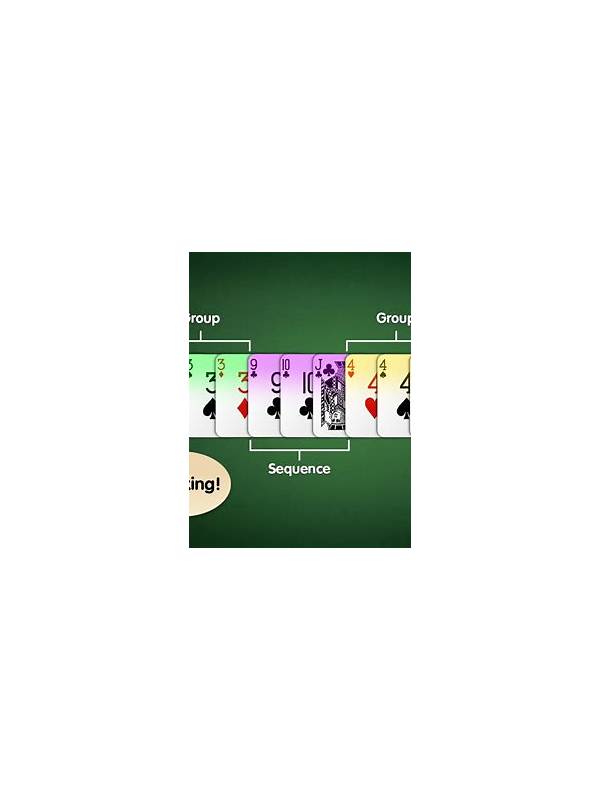
First, remove the discarded card from every imagined group. Do not keep reasoning as if it were still available. Then identify the groups that remain confirmed. These are your anchors. Next, list developing pairs and sets, but label their exact requirements. The goal is to see the current hand rather than mourn the previous one.
Second, choose a priority. If the forced discard broke the required pure sequence, restore that condition first. If the legal structure remains secure but points are high, focus on replacing the most expensive loose card. If both are uncertain, favor the route that uses cards already in hand.
Third, set one deadline. Give the new plan a limited number of turns to improve. During that period, avoid adding several unrelated ideas. A forced discard often creates the temptation to collect everything; a deadline keeps the rebuild selective.
Finally, check whether the discarded card was truly irreplaceable. Another card may serve a similar role, or the break may have freed a card for a stronger group. Recovery is easier when you look for structural gains rather than exact replacements.
This process also helps with emotional control. A forced discard is an event, not a verdict. Reassess the cards that remain, choose a priority, and continue with clear evidence. The hand may still be difficult, but your next decision can remain precise.
If the forced discard affects a confirmed group, pause long enough to check whether another group can absorb one of its cards. Sometimes a broken arrangement exposes an unnecessary duplicate or allows two developing cards to become a cleaner pair. Avoid making several changes at once without checking the whole hand after each change. The best rebuild may not resemble the original arrangement, and that is acceptable. Your responsibility is to the cards currently available, not to preserve a plan that no longer has its essential piece.
Related Post
Rummy How-To: Plan Around an Opponent’s Pickup
An opponent’s visible pickup is useful information when it changes how you value related cards [...]
Rummy Practice: Play a Hand With Written Candidate Discards
Writing two discard candidates before choosing one trains comparison and exposes hidden assumptions. [...]