Rummy How-To: Plan Around an Opponent’s Pickup
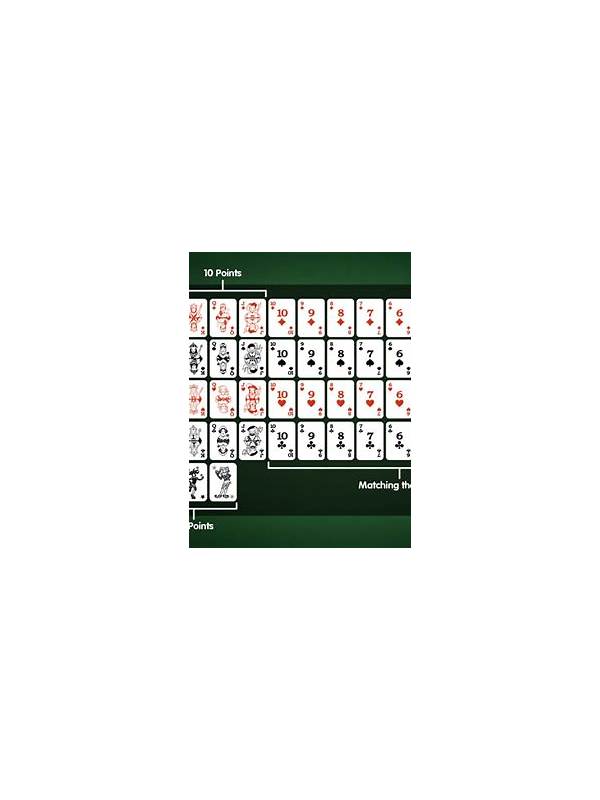
When another player takes a card from the open pile, the action gives you a small piece of information. It does not reveal the entire hand, but it can change how you evaluate cards that connect to the pickup. The goal is not to guess perfectly; it is to avoid handing over an obvious follow-up without considering the cost.
First, record what was taken and what the player discarded afterward, if the format shows it. A pickup may support a sequence, a set, or a deceptive single-card plan. Treat each interpretation as a possibility, not a fact. Overconfidence can be as damaging as ignoring the signal.
Next, review your own hand for cards that work with the visible pickup. If you hold a card that would obviously extend it, decide whether keeping that card has a strong independent reason. A card that supports your own completed route may be worth holding. An isolated card kept only because it might connect later may be easier to release before the opponent benefits.
Do not abandon every related card immediately. One opponent may be collecting a different structure, and a card that helps them may also be the best way to complete your required sequence. Compare the benefit of your own route with the risk of improving theirs. This prevents a table signal from forcing a poor discard.
The pickup can also influence your draw choice. If your hand is already flexible, a closed draw may preserve uncertainty. If a visible card directly completes your route, the information cost may be acceptable. If the pile is becoming a reliable source for one opponent, avoid making automatic pickups that disclose the same plan repeatedly.
Finish by updating your backup. If the opponent’s pickup makes one route less comfortable, identify a second route before the next turn. A useful table read produces an adjustment, not panic. Watch for repeated evidence, protect cards with a clear purpose, and remember that every player is making decisions under incomplete information. Good planning means using the clue while leaving room to be wrong.
Keep the observation proportional to the evidence. One pickup can be accidental or defensive, while several related pickups form a stronger pattern. If you treat every action as a definite declaration of intent, you may discard useful cards and damage your own hand. A better habit is to assign the signal a confidence level and raise it only when later actions support the first impression. This preserves attention without turning the table into a guessing contest.
Related Post
Rummy Comparison: Printed Notes Versus Mental Tracking
Compare written and mental tracking methods to find a rummy note system that supports focus. [...]
Rummy Safety: Separate Game Advice From Account Requests
Recognizing the difference between normal gameplay help and sensitive account requests reduces avoidable fraud risk. [...]