Rummy Guide: Compare Cards by Recovery Value
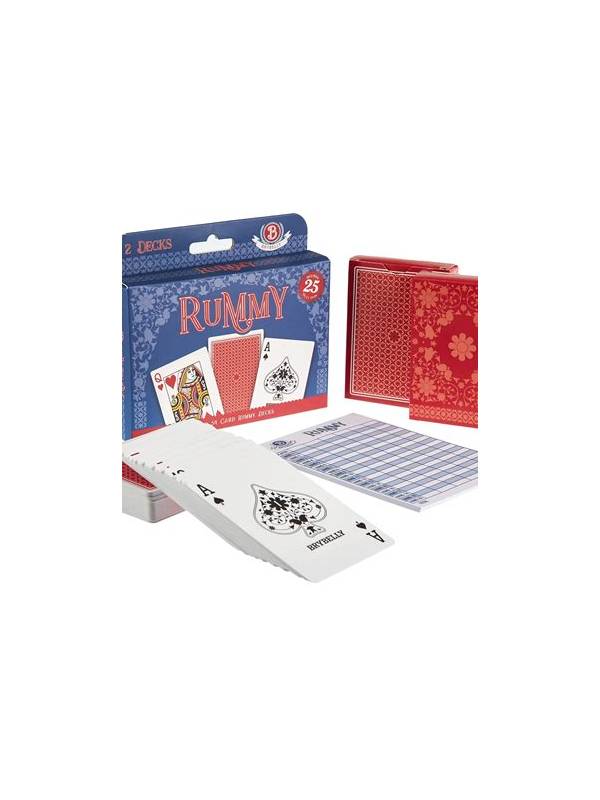
Players often compare cards by immediate usefulness: this one completes a pair, that one joins a sequence, and another has a low point value. A second measure is recovery value. It asks what the hand can do if the expected draw does not arrive. This perspective is especially useful when two candidate routes appear equally attractive.
To estimate recovery value, remove the card mentally and look at the remaining hand. Does another group still have several practical improvements? Can one discard create a new route without breaking a natural sequence? A card has high recovery value when its presence supports more than one sensible future, even if it does not complete anything immediately.
Now test the opposite. Suppose you keep the card and miss its main requirement. What becomes stranded? If the card is part of a narrow, high-point route and blocks a flexible connector, its recovery value is low. It may still be worth holding for a short period, but it needs a clear deadline. Avoid calling a card flexible merely because it can be imagined in many theoretical groups.
Timing changes the answer. Early in a round, broad recovery can be more valuable than a small immediate gain because new information is likely. Later, a card that finishes a valid requirement may deserve priority even if the fallback is weak. The number of turns left determines how much recovery capacity you can afford to trade away.
Use a simple comparison note: “Card A completes one route and leaves two exits; Card B improves two routes and leaves one high-cost card.” This is enough to reveal the real trade-off. You are not calculating an exact probability. You are checking whether a choice leaves you with a reasonable next move.
Practice the measure with old hands. Pause before the key discard and rate each candidate as strong, moderate, or weak for recovery. Then reveal the result and see whether your rating predicted the quality of later choices. Over time, recovery value becomes a natural companion to point count. A good hand is not merely one that can improve; it is one that can survive an improvement that fails to arrive. In review, ask whether your choice left a playable next turn rather than only whether it won. This question depends less on luck and rewards decisions that keep the hand understandable. Do not assign recovery value from one lucky result. Rate the structure before knowing the outcome, then compare the later hand with your original estimate. This keeps the measure focused on available choices rather than hindsight.
Related Post

Rummy How-To: Create a Two-Minute Pre-Game Checklist
A short checklist can reduce avoidable mistakes before a rummy session begins. [...]
Rummy Comparison: Confidence Scores Versus Binary Decisions
Compare simple yes-or-no choices with confidence scores when reviewing uncertain rummy decisions. [...]