Rummy How-To: Create a Discard Candidate Queue
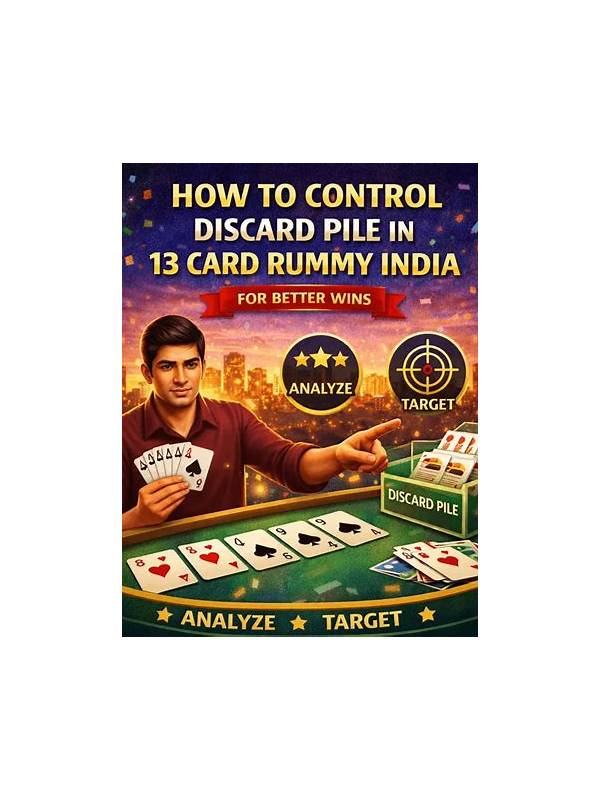
A discard candidate queue is a short, revisable list of cards you could release if the next draw does not improve the hand. It reduces last-second panic while preserving flexibility. The queue is not an automatic order. It is a set of candidates that must be checked against current information before each discard.
Build the queue after arranging the hand. Place isolated high-point cards near the front when they have no realistic connection. Then consider cards trapped in a route with few outs. Low-point cards are not automatically first: a low card can be a valuable connector, while a high card can be part of a strong natural sequence. Rank by usefulness and replacement risk, not printed value alone.
Keep at least three categories in mind. “Likely release” means the card has no credible job. “Review” means it supports a narrow or temporary plan. “Protected” means it belongs to a natural sequence, a strong set, or a route with broad recovery. A card can move between categories after every meaningful draw.
Before discarding, run three checks. Does the candidate belong to a valid group you would regret breaking? Could releasing it give an opponent a useful visible card under the current format? Does another card now have a lower holding cost? These checks prevent the queue from becoming stale. A queue should reduce thought, not replace thought.
Use the queue when the hand is unclear. If no card clearly improves the route, select the least harmful candidate and preserve the broadest options. If a draw creates a direct completion, rebuild the queue because the hand’s structure has changed. The queue is most useful during transitions, not just when the hand is already tidy.
Review the list after a round. Which card stayed near the front too long? Which one looked disposable but later became useful? These observations improve future ranking. With practice, the queue turns discarding from a reaction into a small planning process: identify jobs, rank costs, verify current facts, and release the card that leaves the best recovery. Keep the queue compact if the table is fast. When it and the table disagree, trust the latest verified information and rebuild the order. The method should support attention, not distract from it. You can refresh the queue after a visible discard, because the value of a candidate may change with new information. A candidate queue is strongest when it remains temporary, evidence-based, and easy to replace.
Related Post
Rummy Comparison: Locking a Group or Holding a Connector
Compare the benefits and costs of locking a clear rummy group versus keeping several open [...]
Rummy Safety: Review Permissions on a Rummy App
A permission review helps players limit unnecessary access when using a mobile rummy app. [...]