Rummy Tips: Name the Next Action Before You Draw
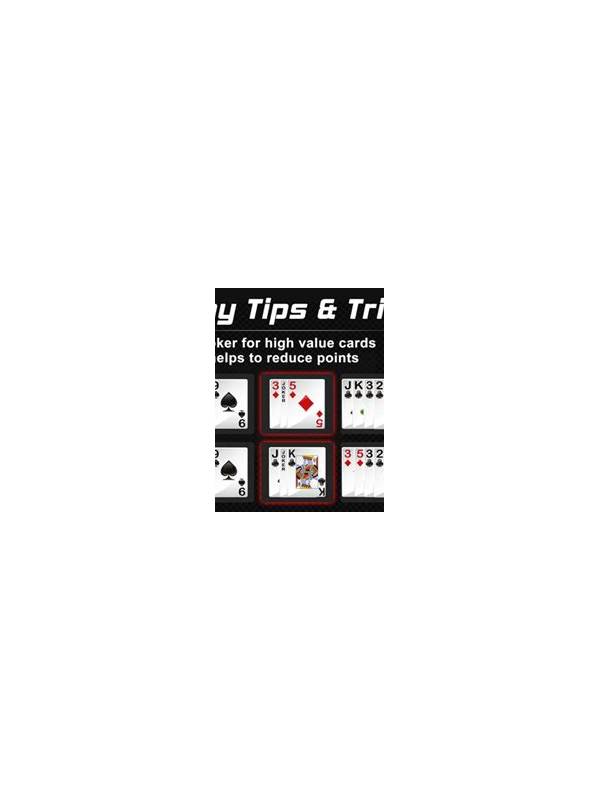
Before taking the next draw, name the question you are trying to answer. It might be whether a route is still broad, whether a high-point card has earned another turn, or whether a new card should replace an old plan. This small habit makes the draw informative. Without a question, every card can appear equally exciting and the hand can drift.
Keep the question concrete. “Improve the hand” is too vague. “Find a card that completes the natural sequence or lowers the cost of the isolated high card” is better. A concrete question gives the draw a criterion and makes the next discard easier to evaluate.
If the draw answers the question, update the hand map. If it does not, follow the preselected fallback. The fallback might be releasing the narrow route, protecting the broader group, or moving a speculative card into the discard queue. Preparing it in advance prevents disappointment from extending a plan without evidence.
Do not force the drawn card into the question. Sometimes a card answers a different and more important question. For example, a new connector may reveal that the original route was not the best structure. Accept the new information, rebuild the map, and change the action. The habit is about focused attention, not rigid obedience to an old script.
Use this method particularly in practice games. Pause before a draw, state the question, reveal the card, and record the decision. Later, review whether the question was useful and whether the action matched the evidence. You will learn which questions produce clear choices and which are too broad.
The routine is simple: question, draw, update, act. It helps separate card luck from decision quality and keeps each turn connected to a plan. Over time, naming the next action becomes a natural way to make a hand feel less crowded and more deliberate. The question can be as simple as “Which card would change my plan?” If no draw would change anything, review discard candidates instead. Each turn then has a purpose, even when the cards are ordinary. In a practice log, write the question before revealing the card. This creates a clean record of what you were testing and makes later review less vulnerable to hindsight. The habit gradually turns draws into evidence instead of emotional events. The question should serve the hand’s current needs. If the main problem is point exposure, ask which draw reduces it; if the problem is a missing sequence, ask which cards provide practical entries. Specific questions make ordinary draws easier to interpret and keep the plan adaptable.
Related Post
Rummy FAQ: Should You Keep a Card That Blocks Two Discards?
A blocking card deserves review when it prevents two releases, but its value depends on [...]
Rummy Session Breaks That Protect Attention
Planned breaks help players notice fatigue before it turns ordinary decisions into avoidable errors. [...]