Rummy FAQ: Should You Keep a Card That Blocks Two Discards?
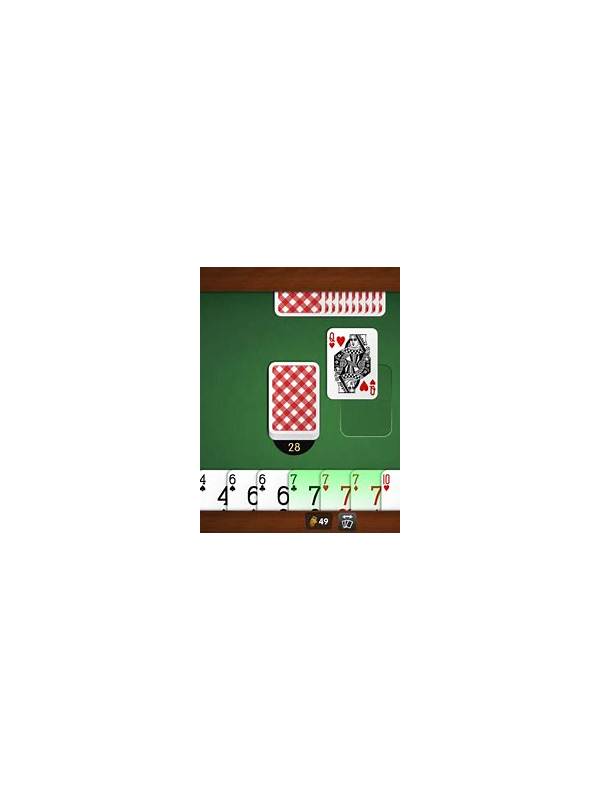
A card can be awkward when it appears connected to two possible groups. You may feel unable to discard it because doing so would close multiple routes. The key question is whether those routes are practical or merely possible. Keeping a blocking card makes sense only when the opportunities it protects outweigh the space and points it costs.
First identify the two routes precisely. Does the card complete a sequence with one of two known neighbors, or does it simply sit near several ranks? Are the suits correct? Are the missing cards likely to remain available? Write the routes in concrete terms. “This card might help” is not enough evidence to keep it indefinitely.
Then check whether the card is doing any current work. If it belongs to an established pure sequence, it is not really blocking two discards; it is part of a valuable group. If it is an isolated high card that could join either of two incomplete sets, its cost is more serious. A card that is not contributing now should have a clear reason for staying.
Timing changes the answer. Early in a hand, preserving two credible routes can be sensible because more draws remain. Later, the same card may be a liability if neither route has strengthened. Set a checkpoint rather than waiting for certainty. At that checkpoint, keep the card only if one route has gained evidence or if releasing it would create an unusually damaging exposure.
Consider the cards you can discard instead. Sometimes the blocking card is not the best release simply because another card has even fewer connections. Make a short ranking based on current group membership, completion routes, point cost, and flexibility. This prevents one dramatic-looking card from receiving all your attention while a genuinely dead card remains hidden in the hand.
When uncertain, use a conditional plan: keep the card through one more informative turn, then release it if no route improves. The condition should be stated before the draw so the result does not rewrite your reasoning. If the new card changes the hand, recalculate rather than following the old deadline mechanically.
A blocking card is a decision problem, not a special category that must always be saved. Keep it when it protects strong, timely routes; discard it when it only preserves imagination. Clear conditions let you benefit from flexibility without allowing two weak possibilities to hold the whole hand hostage.
Related Post

Rummy Safety: Check App Permissions Before Playing
Reviewing app permissions and privacy settings before a session can reduce unnecessary exposure of personal [...]
Rummy Tips: Use a Three-Window Review Before Discarding
Reviewing the current hand, the table information, and the next risk creates a repeatable discard [...]