How to Test a Rummy Route After a Discard
Discarding is more than removing the card you like least. A good discard should leave a hand with a workable next step. Before confirming it, run a short route test. The test asks what your hand can do on the next turn, what card it needs, and what happens if that card does not appear.
First, describe the route in one sentence. For example, you may be trying to complete a natural sequence, protect an existing set, or reduce an isolated high card. If you cannot state the route simply, the discard may be based on emotion or visual clutter rather than structure.
Next, name the immediate requirement. A route that needs one of several cards is usually more flexible than one that needs a single exact card, although the rules and visible information still matter. Count the requirement without claiming certainty. The purpose is to compare routes, not to predict the next draw.
Finally, identify a fallback. If the needed card does not arrive, can you shift to a second group, release the waiting card, or reduce points elsewhere? A route with no fallback deserves extra scrutiny. Sometimes a narrow route is correct when it finishes an essential group, but it should be a conscious choice.
Suppose two candidate discards leave different plans. Route A waits for one card to complete a long sequence. Route B keeps two connectors and can form either a shorter sequence or a set. Route A may have a higher immediate reward, while Route B may preserve options. The route test makes that trade-off explicit instead of treating flexibility as a vague feeling.
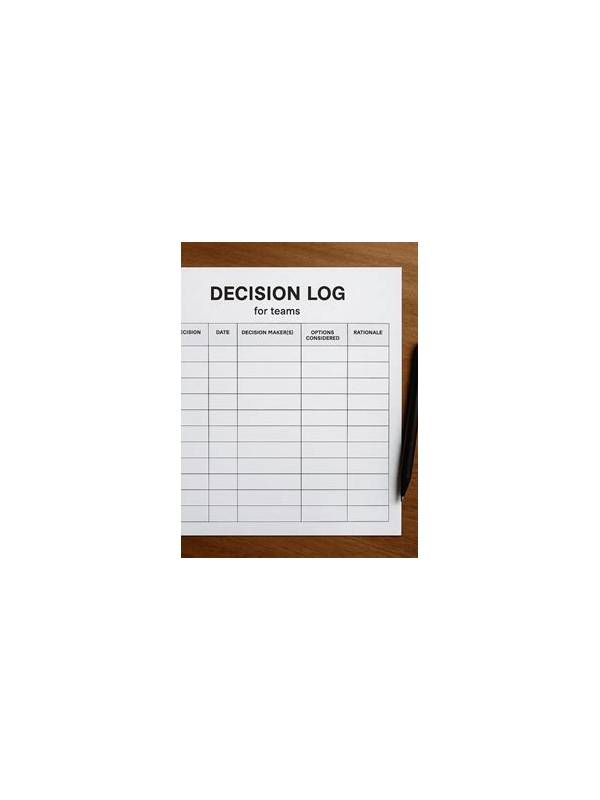
Use the test in practice rounds by writing three lines after each discard: route, next requirement, fallback. Keep the notes short enough that they do not interrupt play. Review them later and mark whether the route was realistic under the information available at the time. Do not judge a decision only by the eventual result; an unsuccessful draw can follow a sound route.
The route test is also a useful safety pause. A few seconds of structured review can interrupt impulsive play, especially after a frustrating turn. If the timer or interface does not allow a calm check, choose a slower practice format. Clear decisions and responsible limits should support each other.
The test can also expose a plan that is technically possible but practically uncomfortable. If the route requires constant timer pressure, repeated rearrangement, or a sequence of guesses about an opponent, record that cost. A slightly less ambitious route may be easier to execute and review. The best comparison includes both the cards involved and the attention required to manage them.
Related Post
Rummy FAQ: Is Rank-First Sorting Better Than Suit-First Sorting?
Compare rank-first and suit-first card sorting to choose a layout that reveals useful rummy patterns [...]
Rummy Safety: Verify Game Conditions Before a Paid Session
Unclear rules, fees, or account conditions are a reason to pause and verify before continuing. [...]