Rummy Comparison: Visible Progress Versus Hidden Progress
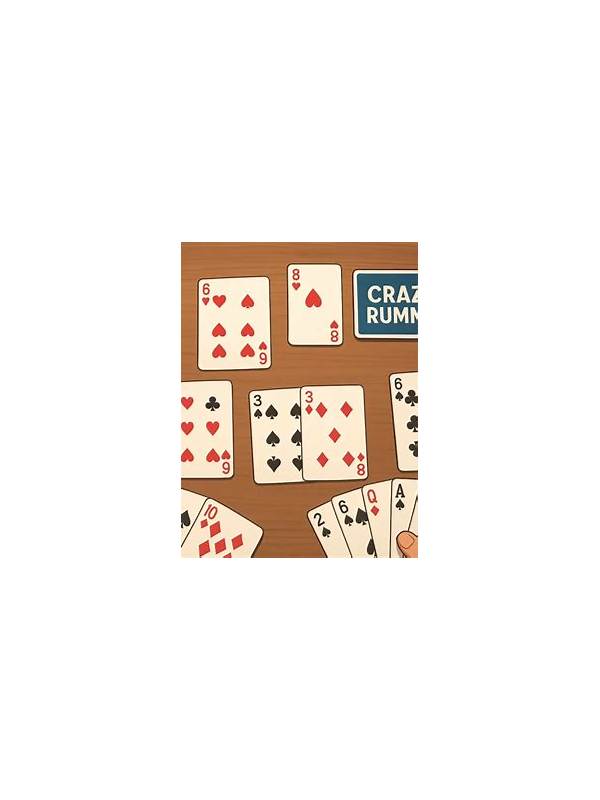
Rummy progress is not always visible. Completing a sequence is easy to recognize, but replacing a high-point card with a safer option can also improve the hand. Comparing visible progress with hidden progress helps you avoid judging every turn only by whether a group was completed.
Visible progress includes a completed pure sequence, a finished set, or a clear reduction in the cards needed for a valid declaration. These changes are important because they move the hand toward a concrete goal. Record them first so that the hand’s structural requirements remain central.
Hidden progress appears in several forms. A discard may remove a high-risk card. A new connector may preserve two realistic routes. A reorganization may reveal that one card has no useful job and can be released safely. These improvements do not always change the number of completed groups, but they can make the next decision easier and reduce the cost of a bad draw.
The danger is overvaluing hidden progress. Keeping many flexible cards can feel like improvement while the hand never gains a valid structure. Use a balance test: did the hidden gain protect an existing group, reduce exposure, or create a specific route? If it only increased the number of possible arrangements, it may be activity rather than progress.
Timing provides another comparison. Early hidden progress can be valuable because it creates information and preserves options. Late in the hand, visible structure usually deserves more weight because there is less time to convert flexibility. Adjust the balance as the hand develops instead of applying one permanent preference.
After a draw, describe both kinds of change. You might write “no new group; isolated high card removed,” or “sequence unchanged; two practical routes remain.” This language keeps a disappointing draw from causing an unnecessary panic and keeps a flexible draw from receiving unearned praise.
The best hands combine both forms. They build visible structure while quietly lowering risk and preserving a clear response to the next card. When forced to choose, protect the progress that improves validity or makes future decisions more reliable. Hidden progress is valuable when it supports those outcomes, not when it merely makes the hand look interesting.
This comparison is especially helpful after a disappointing draw. A turn can still be productive if it removes a liability, clarifies a discard, or leaves the established groups untouched while better information develops.
Keep the distinction practical: visible progress changes the groups, while hidden progress improves the conditions under which the next decision will be made.
This comparison is especially helpful after a disappointing draw. A turn can still be productive if it removes a liability, clarifies a discard, or leaves the established groups untouched while better information develops.
Related Post

Rummy How-To: Use a Two-Question Draw Check
Two quick questions can keep a new draw from pushing your whole hand into an [...]
Rummy Comparison: Short Targets Versus Long Targets
Short and long meld targets trade completion speed for flexibility, so evaluate them by support [...]