Rummy Table Seating and Turn Position: A Simple Observation Guide
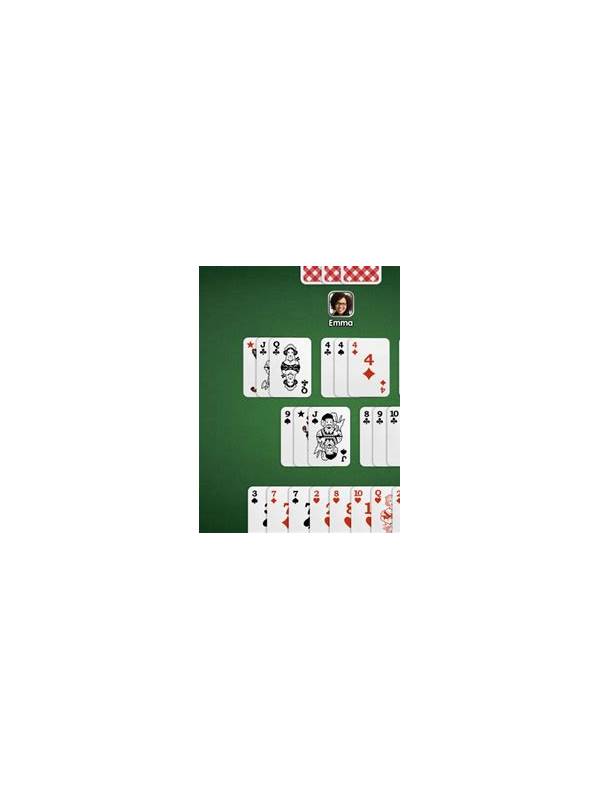
Your position at a rummy table affects how quickly you see other players’ draws and discards. It does not determine the result, but it changes the information available when you make a decision. A simple observation routine helps you use that information carefully.
Start by learning the direction of play and the order of turns. Note which player acts immediately before you and which player receives your discard next. The player before you gives you the clearest recent signal because you can see what they release before drawing. The player after you may have a direct interest in cards you discard, but their plan is less visible.
During the opening turns, observe without building a story. Record broad facts: a player repeatedly takes visible discards, a player releases several cards from one suit, or a player discards high cards. Each fact has multiple explanations. Someone may be clearing a group, testing a plan, or simply following a low-risk choice. Avoid treating one discard as proof of a completed strategy.
As the deal develops, compare actions over time. A pattern of taking connected cards and releasing unrelated cards is more informative than one isolated choice. Even then, observation should influence your discard only when it agrees with your own hand needs. Keeping an unusable card forever to deny a possible opponent can damage your structure.
Position also affects tempo. If several players act before your next turn, more cards may leave the visible pile. Prepare a quick scan before your turn: what changed, what card was taken, and whether your planned discard still makes sense. This prevents you from using an outdated plan.
In a physical game, keep observations private and courteous. Do not comment on another player’s hand or use distracting gestures. In an online game, follow the table’s communication rules and never attempt to obtain information outside the normal interface.
The practical lesson is balance. Position can improve awareness, but it cannot reveal hidden cards or guarantee intent. Observe repeated patterns, separate facts from guesses, and let your own legal hand remain the primary priority. Good table reading is measured attention, not dramatic prediction.
Keep the routine brief enough to preserve concentration. A glance at the recent actions should support your draw and discard decision, not replace it. When the table becomes noisy or fast, return to the basics: sort your hand, identify the unfinished requirement, and choose a legal move that leaves useful options.
Related Post
Rummy Guide: Judge Middle Cards by Their Neighbors
Middle-ranked cards can be flexible, but their value depends on suit, nearby cards, and realistic [...]
Rummy Comparison: Single Cards and Group Commitments
Comparing loose cards with committed groups helps clarify when a rummy hand is flexible and [...]