Rummy Guide: Use a Confidence Label for Every Candidate Meld

When a rummy hand contains several possible groups, it is easy to treat every possibility as equally real. A pair may look useful, a connector may seem promising, and a partial sequence may feel almost complete. Yet these ideas do not have the same evidence behind them. A confidence label gives each candidate meld a temporary status, so your plan reflects what you know rather than what you hope will happen.
Start by listing the groups your current cards could support. For each one, mark it as strong, workable, or speculative. A strong candidate already contains most of the required cards and does not depend on an unlikely draw. A workable candidate has a reasonable shape but still needs one important improvement. A speculative candidate needs several specific cards, relies on a narrow route, or competes with a better use for the same card.
The labels are not permanent judgments. They are reminders to update your thinking after every draw and discard. If a card completes a strong candidate, you can move it to the completed column and reassess the remaining hand. If a needed card appears in the discard pile and is taken by another player, lower the confidence of any plan that depended on it. This small adjustment prevents an old idea from quietly controlling the rest of the round.
Shared cards deserve special attention. Suppose one card could extend a sequence or complete a group. Give each route its own label instead of calling the card “good” in general. One route might be workable because it needs only one nearby card, while the other is speculative because it needs a precise rank and suit. Comparing the routes this way makes the better use visible.
Confidence labels also improve discards. A card supporting a strong route usually deserves protection, while a card tied only to a speculative route may be a sensible release if it has high penalty value. Before discarding, ask whether the card is the only bridge between two workable options. If it is, keep it until another card gives you a safer connection.
Finally, remove labels when they stop helping. Once the hand has a valid structure, focus on checking the declaration and reducing avoidable points. The purpose of the method is not to add paperwork. It is to separate evidence from imagination, update plans quickly, and make each draw or discard easier to explain.
Related Post
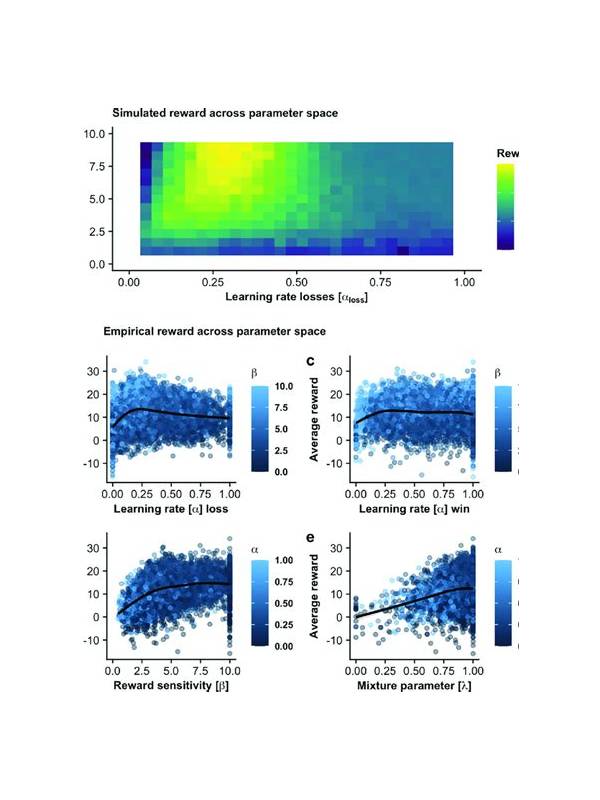
Rummy Comparison: Learning From Wins Versus Learning From Losses
Wins and losses reveal different lessons, so comparing them by decision process creates more balanced [...]
Rummy How-To: Compare Two Hands Before Choosing a Table
Comparing sample hands before joining a table can reveal whether a rummy format matches your [...]