Indian Rummy FAQ: How Many Plans Should a Hand Keep Alive?
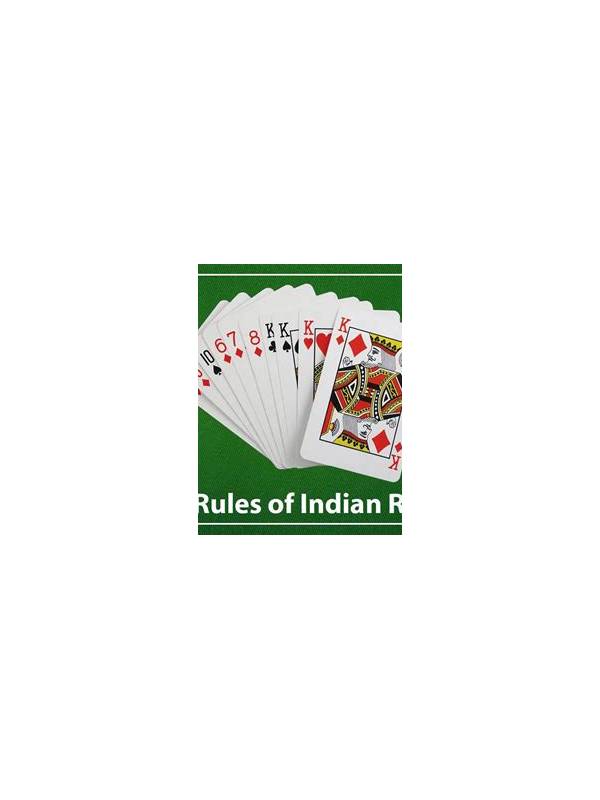
New players often ask whether they should keep as many possible combinations alive as they can. The short answer is no. Flexibility is useful only when it helps you reach a valid declaration without carrying too many loose cards.
How many plans should I begin with? Start with two or three serious plans. A serious plan has cards already working together and a realistic way to improve. If you count every pair, neighboring rank, and same-suit possibility, you may create ten imaginary plans. That makes the hand look flexible while making every discard feel dangerous.
When should one plan become the main plan? Let one route become primary when it has a complete group, several connected cards, or a lower number of missing pieces. The other routes can remain as backups, but they should not receive equal attention. A primary plan gives your draw decisions direction; a backup keeps you from becoming rigid.
Is a pair always worth preserving? No. A pair is a starting point, not a finished group. Ask whether the pair can become a set or help a sequence without requiring a very specific card. If the pair has high point value and no clear improvement, it may be safer to release it earlier than a connected low card.
When does flexibility become clutter? Flexibility becomes clutter when several cards are being kept for different plans but none of those plans has advanced. Count the cards that would improve each route and compare that number with the cost of holding the route. If one route needs two precise cards and another needs one of several cards, they should not receive the same priority.
Should I change plans after every draw? Change your assessment, not necessarily your whole plan. A new card may strengthen a backup without making it primary. Sudden changes create impulsive discards and often break groups that were already close to completion. Use a checkpoint after the draw, then decide whether the new card changes your best route.
How do I know when to stop exploring? Stop exploring when your hand contains the required structure and only a small number of cards remain unfinished. At that point, preserving optionality can be less valuable than protecting the route you can actually complete. Keep track of the cards that would improve the plan, but do not abandon a sound group merely because another combination is possible.
The goal is not to predict the exact next card. It is to manage uncertainty. Two viable plans are often enough: one that can finish soon and one that can absorb a poor draw. This balance keeps your hand adaptable without allowing every card to claim equal importance.
Related Post

Rummy Guide: Plan the Final Three Cards Before the Endgame
Thinking ahead about the last unresolved cards reduces rushed choices when a hand is close [...]
How to Set a Rummy Stop-Loss Reminder Without Chasing
A stop-loss reminder turns a spending boundary into a concrete action before emotions take over. [...]