How to Set a Rummy Stop-Loss Reminder Without Chasing
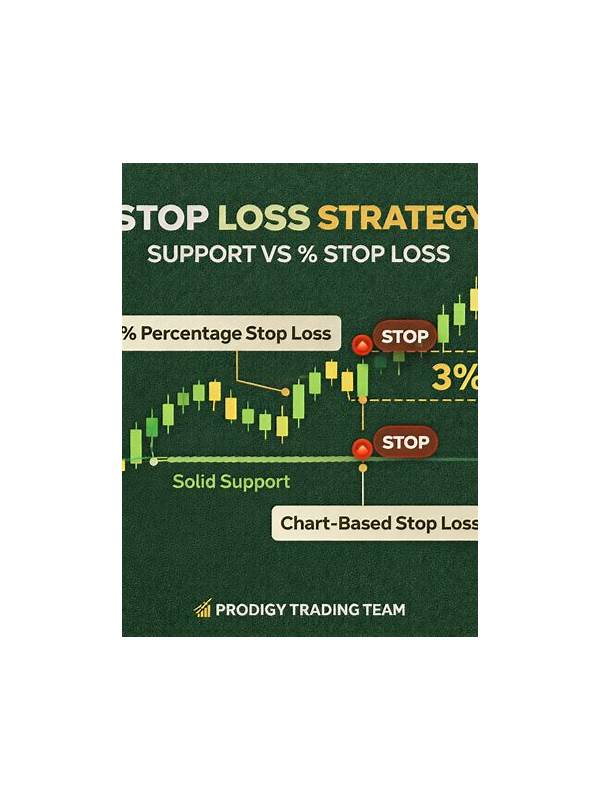
A stop-loss reminder is a pre-set boundary for money or time, followed by a clear action when the boundary is reached. It is not a prediction about your next result. Its purpose is to prevent a disappointing session from becoming a sequence of larger decisions made while frustrated, tired, or eager to recover.
Set the limit before opening a paid table. Choose an amount that you can lose without affecting food, bills, savings, debt payments, or planned obligations. If your budget is uncertain, use a zero-cost practice mode instead. Write the amount down in ordinary currency, not only as chips or points, so the boundary remains meaningful when the app displays a different unit.
Pair the money limit with a time limit. A player may stay within a financial cap while becoming too tired to make careful decisions. Choose an end time or a maximum session length, then add a reminder outside the app if the platform’s timer is unreliable. Use a calendar alert, phone alarm, or screen-time control. The reminder should say what happens next: close the table, log the result, and take a break.
Define the response in advance. When the stop-loss is reached, do not make a “small final deposit,” switch to a faster table, or raise the stake to catch up. Sign out, move away from the payment screen, and wait until the next planned session. If a platform lets you set deposit or loss limits, enable them before play and make sure you understand whether changes take effect immediately or after a cooling-off period.
Keep the boundary separate from performance. A winning session can still end at the planned time, and a losing session does not justify extending it. Record the starting balance, limit, end time, and a neutral note about your focus. Avoid writing a story such as “I was due a win.” That kind of explanation can turn a limit into a negotiation.
Use friction to support the decision. Remove saved payment methods where practical, disable promotional notifications, and do not borrow money for play. Tell a trusted person about the boundary if you find it hard to follow alone. If you repeatedly break limits, hide the app, or feel distressed about stopping, pause the activity and seek help from a qualified local support service.
The strongest reminder is one that does not depend on willpower at the most emotional moment. Decide the amount, duration, and exit action while calm. Then treat the stop as part of the session plan, not as a judgment about your skill or a challenge to overcome.
Related Post
Rummy Table Reset After a Long Pause
Reconstruct the game state safely before making a move after an interruption. [...]
Rummy FAQ: How Long Should You Keep a Two-Card Connection?
A two-card connection deserves time only when its possible completions and holding cost remain reasonable. [...]