Rummy Comparison: Keep a Written Checklist or Use a Mental Checklist
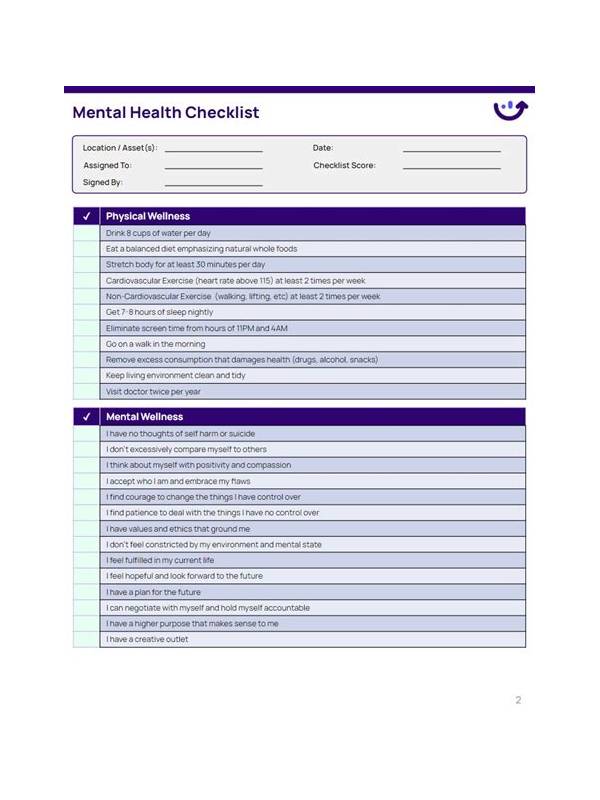
A checklist can make rummy decisions more consistent, but its format matters. Written notes provide visibility; mental notes are faster and more discreet. Neither is automatically better for every setting.
A written checklist is useful during practice or casual games where notes are permitted. You can record the number of unfinished groups, the weakest card, and the next question to answer. This external memory reduces visual overload and lets you compare decisions after the round. It is especially helpful for players learning to separate complete groups from speculative routes.
The drawback is attention. Writing too much can interrupt the rhythm of play and cause you to focus on an old assessment after the hand has changed. Notes should be short and updated only at meaningful checkpoints. A list such as “protect sequence; compare pair; release isolated high card” is more useful than a full description of every possibility.
A mental checklist is quicker and works in environments where writing is impractical. A three-question routine can be enough: What is complete? What is closest to completion? Which card has the weakest job? Mental checklists also adapt naturally after each draw because they do not require rewriting.
The drawback is memory pressure. When the hand becomes crowded or the round moves quickly, you may skip a question or confuse a hoped-for route with an existing one. A mental routine benefits from fixed wording. Repeating the same questions helps prevent emotion from changing the decision process.
You can combine both formats. Use written notes during training to discover which questions matter to you, then compress them into a mental version for live play. Afterward, return to the written format for one decision review. This creates a bridge between learning and performance.
Choose the format based on the goal. If the goal is learning, external notes can expose patterns and errors. If the goal is smooth play, a short mental routine may be enough. Always follow the table or platform rules about notes and assistance. The checklist should support independent judgment, not replace it.
The strongest checklist is the one you can use consistently. It should be short, tied to the current hand, and flexible enough to respond to new information. Whether it lives on paper or in memory, its purpose is the same: make the important questions visible before a discard becomes automatic.
Related Post
Rummy Guide: Use Turn Order to Plan a Comfortable Pace
A practical guide to using turn order as a planning aid without rushing decisions. [...]
How to Review a Rummy Table Exit
A short table-exit review helps rummy players record useful lessons without replaying every card emotionally. [...]