Rummy Guide: Use Turn Order to Plan a Comfortable Pace
Turn order is easy to notice and easy to misuse. A player who acts early may feel pressure to create immediate progress, while a player who acts late may wait too long for a perfect card. In either position, the useful question is not whether turn order predicts the result. It does not. The question is how the order can help you set a sensible pace.
Start by identifying how many decisions can occur before your next turn. If several players act first, the visible discard pile may change substantially. That creates information, but it also creates noise. Do not build a detailed plan around a card that may disappear before you act. Keep one primary plan and one fallback, then reassess when your turn arrives.
An early position can favor a simple, reversible choice. You might discard a high-value singleton, separate a weak pair, or take a safe draw that improves more than one possibility. Avoid treating an early move as a declaration of intent. Other players do not need a dramatic signal from you, and a quiet improvement often preserves flexibility.
A late position gives you more recent information, but less time to recover if you hold a complicated hand. Watch the sequence of discards rather than only the last card. A run of cards from one suit may indicate that a route is less attractive, or it may simply reflect unrelated hands. Treat patterns as clues, not proof.
Use a short turn-order routine: count the turns until you act again, name the card or route most important to you, and decide what evidence would make you abandon it. This keeps waiting from becoming passive hope. When your turn comes, compare the new position with the old one and choose the move that leaves the clearest next decision.
Turn order is therefore a pacing tool. It helps you budget attention, protect against rushed choices, and accept that some plans need time. Good play remains based on the cards and the rules, while order simply tells you how urgently to review them. You can use the waiting interval to prepare a comparison. Name two possible actions and the condition favoring each one. A new connector may justify keeping a middle card, while an unrelated draw may favor a high-card discard. This keeps the next choice deliberate without requiring a prediction of the exact future hand. If the next turn is distant, use the time to notice changes without inventing certainty. The order tells you when to reassess; it does not tell you what the cards mean.
Related Post
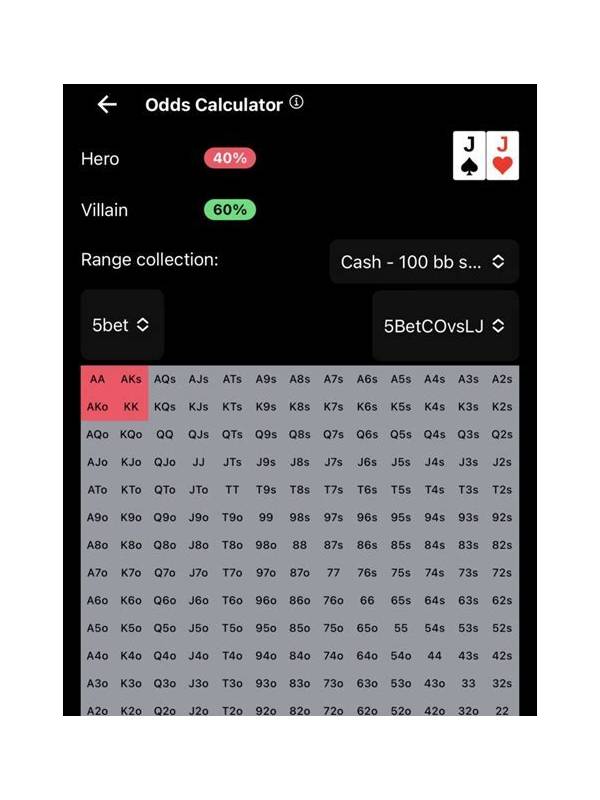
Rummy Comparison: Exact Odds and Practical Ranges
Exact odds and practical ranges answer different questions when you evaluate an uncertain rummy draw. [...]
Rummy Safety: Keep a Record of Unusual Account Events
A factual record of unusual sign-ins, payments, or table behavior can make legitimate support and [...]