Rummy FAQ: When Should a Pair Be Kept as a Pair?
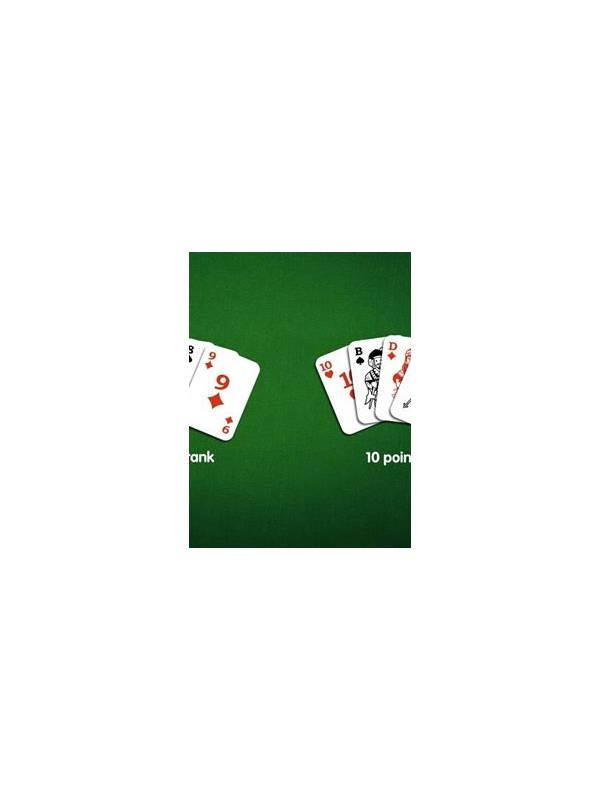
The review point can be tied to information rather than a fixed number of turns. Reconsider the pair after a useful rank is discarded, after a joker receives a better assignment, or after another route becomes complete. This keeps the pair connected to evidence instead of habit. You can also decide what happens if the pair remains unchanged. Naming a likely release card prevents the pair from becoming a permanent passenger. A clear fallback makes it easier to change course calmly when the expected support does not arrive.
A pair in rummy is neither automatically valuable nor automatically disposable. Its value depends on the jobs it can perform. It might become a group, support a sequence, or serve as a useful card while another plan develops. Keeping it makes sense when at least one of those routes is realistic and the pair does not carry an unnecessary scoring risk.
First check whether the pair has a second connection. Two cards of the same rank may need a third copy to become a group, but one of them might also sit near a sequence opportunity in its suit. If both cards are high and no nearby cards are visible or held, the pair can become expensive. In that case, keeping both merely because they match may delay a better discard.
Pairs are more useful when the hand has room for several plans. One card can remain attached to the main route while the other is released if a draw creates a better connection. This staged approach prevents the pair from consuming two slots indefinitely. It is especially helpful early in a hand, when information is limited and a flexible card may be worth more than a premature decision.
Timing matters too. If the discard pile shows that a rank is being ignored, the chance of completing the group may be less attractive than it first appeared. That evidence is not conclusive because cards can be hidden, but it should affect how long you hold the pair. Conversely, an opponent’s repeated interest in a suit may make a sequence route less comfortable, not necessarily impossible.
Ask three questions before the next draw: what is the pair’s best completion, how many cards could support it, and what will I discard if it remains unchanged? If you cannot answer the third question, the pair may be controlling your hand rather than helping it. Keep pairs with a clear role, set a review point, and be willing to break them when their expected benefit falls below the cost of holding them.
Related Post

Rummy Safety: Keep a Neutral Record of Account Changes
A factual account-change record can help you notice unusual activity without storing unnecessary sensitive information. [...]
Rummy FAQ: How Should You Read a Partial Sequence?
This FAQ explains how to judge an incomplete sequence without treating every nearby card as [...]