Rummy FAQ: How Should You Read a Partial Sequence?
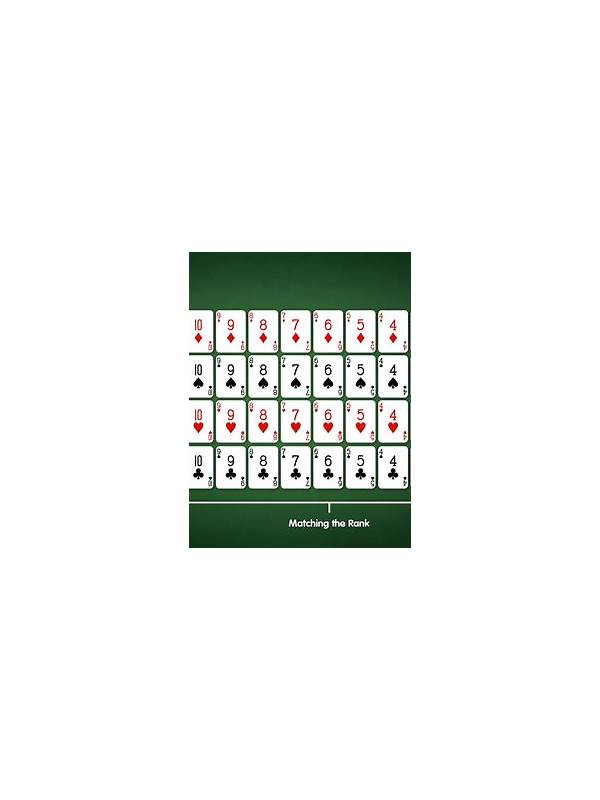
A partial sequence is a group that has some structure but does not yet satisfy the rules for a completed sequence. For example, two cards of the same suit with adjacent ranks may be promising, but they still need the required length for the format. Reading such a group correctly is important because it can guide future draws without controlling every decision.
What makes a partial sequence useful? Look for proximity, suit consistency, and more than one completion route. A pair with consecutive ranks often has a clearer path than two cards separated by several ranks. A middle card may connect on either side, while an edge card may have only one natural neighbor. These are general tendencies, not guarantees.
Should every partial sequence be kept? No. Compare it with the rest of the hand. If keeping the pair forces you to hold several unrelated high-value cards, the cost may outweigh its promise. If another group already needs the same missing card, recognize the conflict. One attractive pair can quietly make the whole hand less flexible.
How long should you wait? Set a review point rather than waiting indefinitely. After a few turns, ask whether new information has improved the group, whether the needed cards remain plausible, and whether a simpler arrangement is available. The review point can change with the format, score, and time remaining. It should not be based on frustration.
What if an opponent discards a nearby card? Treat that discard as information, not proof. It may reduce the usefulness of one path, but it does not reveal every hidden card or guarantee that another player is not collecting the same suit. Read partial sequences as flexible candidates. Keep them when they support a realistic plan, and release them when they become an expensive habit.
Related Post
Rummy Comparison: Card Tracking on Paper Versus in an App
Paper and digital tracking each support different kinds of rummy practice and review. [...]
Rummy Comparison: High-Value Cards Versus High-Flexibility Cards
High-value and high-flexibility cards create different kinds of advantage, so the better holding depends on [...]