Rummy Guide: Build a Low-Drama Review After a Bad Round
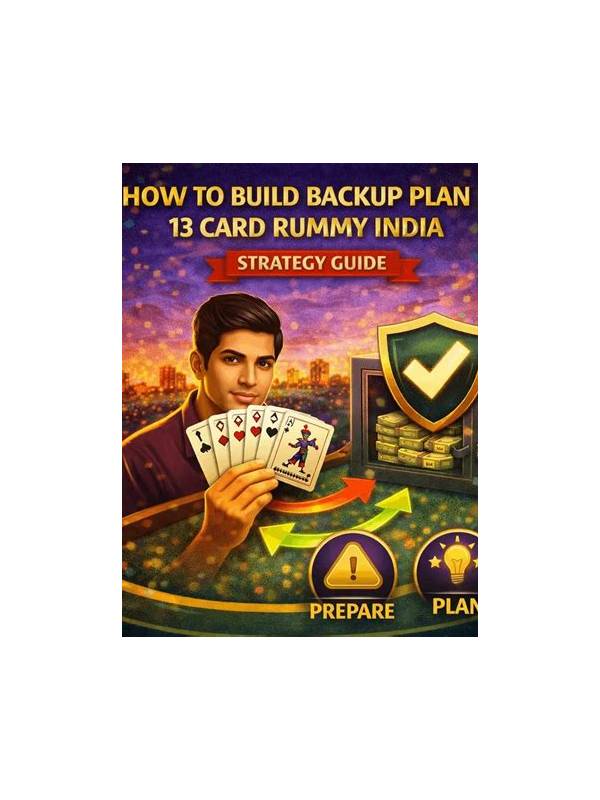
Review several rounds before drawing a broad conclusion. A single outcome can be noisy, while repeated rushed discards or ignored stop rules reveal a process issue. Write one replacement rule that can be tested next time, such as reviewing remaining work after every major draw. Keep the review factual and brief enough to repeat. Separate the decision made, the information available, the result, and the lesson. This structure prevents emotion from rewriting the past and gives you a practical experiment for the next session. Several small reviews are more useful than one dramatic judgment after a loss.
A bad rummy round can teach useful lessons, but only if the review separates what you controlled from what you could not. A low-drama review avoids both extremes: blaming every loss on luck and treating every unlucky result as proof of poor play.
Begin with the facts. Note the format, the main structures you attempted, the key discard, and the point at which the hand became difficult. Do not start with a label such as “terrible round.” Labels summarize emotion but hide the sequence of decisions you need to understand.
Next identify process decisions. Did you confirm the rules? Did you protect a required foundation? Did you keep a high card without a review condition? Did pressure cause you to ignore a budget or stop rule? These are areas where a small change can improve future play. Record one or two specific adjustments rather than a long list of criticisms.
Then identify variance. Sometimes a sound route fails because the needed cards do not arrive or because another player finishes first. A decision can be reasonable even when its result is disappointing. Ask what information was available at the time, not only what became obvious afterward. This prevents hindsight from making every choice look foolish.
Finish with a replacement rule. Instead of writing “play better,” write “compare the remaining work after every major draw” or “review a pair after two turns without support.” A replacement rule is observable and easy to test. If money or strong emotion was involved, include a recovery action such as ending the session, recording the result, or speaking with someone you trust.
Review again after several rounds, not after one isolated outcome. Look for repeated patterns: rushed discards, attachment to old plans, or failure to track exposure. A calm review turns a bad round into information without allowing it to dictate the next decision.
Related Post
Rummy FAQ: Should You Copy the Table Leader’s Pace?
A fast opponent can influence the table, but matching their pace is not automatically useful. [...]
Rummy Safety: Protect Your Eyes and Posture During Long Sessions
Small screen and posture adjustments can make extended rummy practice more comfortable and sustainable. [...]