Rummy Tips: Separate Card Value From Card Familiarity
One practical reset is to imagine the familiar card has just been drawn. Would you keep it now, given the visible table and the rest of the hand? If not, it may be a release candidate. Present evidence matters more than the number of turns a card has survived. This reset also applies to a plan that has consumed several turns. Time invested does not make the plan correct. Let new evidence change the role of a card, and judge the revised hand by its current connections rather than by the effort already spent.
Familiar cards can feel valuable simply because they have been part of your hand for a long time. That feeling is a form of attachment, not evidence. Separating card value from card familiarity keeps old plans from controlling new decisions.
At each turn, judge a card by its current connections. Does it belong to a valid meld, support more than one route, reduce a likely penalty, or help satisfy a rule requirement? If the answer is no, the fact that you have protected it for several turns should not improve its rating. Time held is not a resource that must be repaid.
Use a reset test. Imagine that the familiar card has just been drawn. Would you keep it now, given the visible table and the rest of your hand? If not, it may be a release candidate. This test is especially useful for high cards, pairs that never gained support, and connectors whose neighboring cards have become unavailable.
Do not swing to the opposite mistake and discard every older card. A long-held card may be part of a stable foundation or may protect a route with several live improvements. The point is to require present evidence. Record the reason you are keeping it, then set a review condition such as “release if no supporting card appears after the next cycle.”
Familiarity also affects reads of the discard pile. You may notice a card only after it resembles the plan you have been holding. Ask whether the card was useful before the new draw or whether the new draw merely made the old plan feel justified. A written note can expose this difference.
After the round, review the cards you kept longest. Identify which had a real role and which survived because of habit. This simple audit builds a healthier relationship with uncertainty: plans can be changed without treating the earlier choice as a mistake.
Related Post

Rummy FAQ: When Is a Pair Worth Keeping for One More Turn?
A pair deserves another turn when its improvement paths are credible and its holding cost [...]
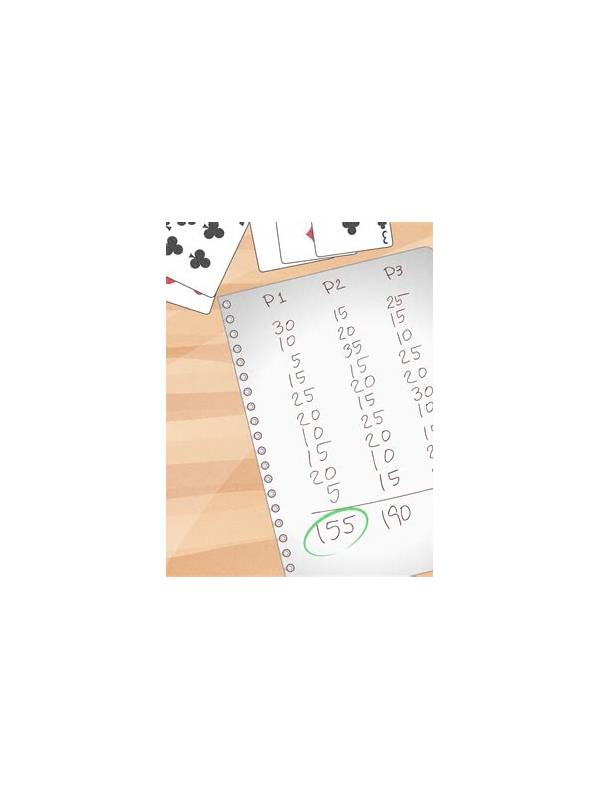
A Beginner’s Guide to Reading Rummy Scoreboards
Understand the parts of a rummy scoreboard so results and decisions are easier to review. [...]