Rummy Comparison: Hand Order Versus Decision Order
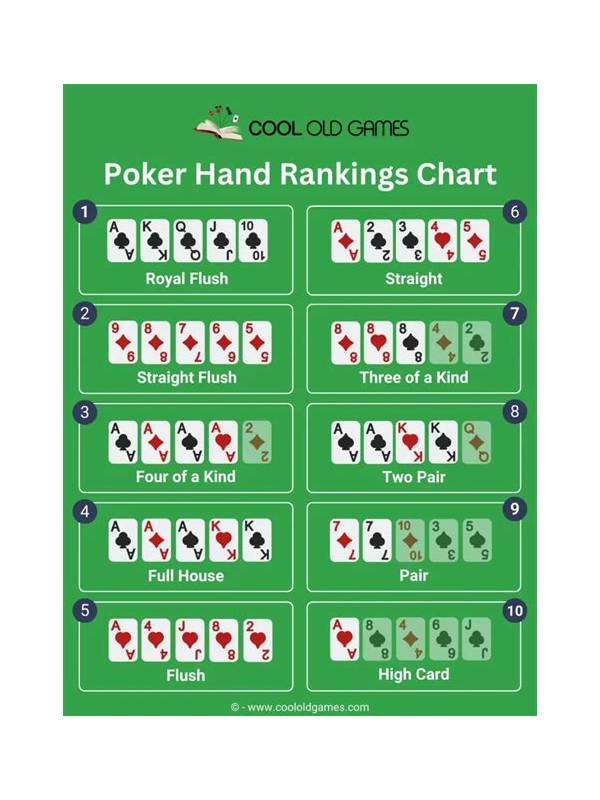
Hand order answers the question, “Where can I see each card?” Decision order answers, “What should I evaluate first?” Confusing these two tasks can make a neat hand harder to play. A good sorting method supports visibility, while a separate decision sequence controls attention.
Hand order is usually visual. You might group cards by suit, rank, completed meld, or developing route. The best arrangement is the one that lets you identify connections and loose cards quickly. It does not need to match the order in which you will draw, discard, or declare.
Decision order should begin with legality and urgency. First confirm the format’s requirements and whether a declaration is possible. Next inspect the newest information, then compare the strongest route with its fallback. Finally choose a release and verify the action. This order keeps a pretty arrangement from becoming an untested plan.
Compare suit-first and role-first sorting. Suit-first sorting makes sequence links visible and can work well for a hand dominated by natural runs. Role-first sorting separates finished groups, active connectors, uncertain pairs, and release candidates. Role-first may be clearer when several suits compete. Neither method is universally best.
The two systems can coexist. Arrange the cards physically or on screen for visibility, then run the same decision checklist every turn. If the interface allows custom sorting, avoid constant rearranging during a time-limited turn. A stable layout reduces search time and makes changes easier to notice.
Practice by using one hand order and two decision orders. Notice whether mistakes occur because you missed a connection or because you evaluated the wrong issue first. If you keep overlooking routes, adjust sorting. If you see the route but choose poorly, adjust the checklist or review threshold.
At the end of a session, ask whether your arrangement helped you answer the current question. Good organization is not decoration. It reduces mental load, highlights unfinished work, and gives the decision process a reliable starting point. Keep the visual order flexible, but keep the reasoning order calm and repeatable.
Do not rearrange solely because another player seems to be acting quickly. Their pace does not change your legal options. Make the layout readable, use your decision order, and protect the final confirmation step. Consistency is more valuable than copying someone else’s visual habit.
The same principle applies when the hand becomes crowded. Preserve the arrangement that shows unfinished work, then evaluate priorities in order. Visibility and judgment support each other, but neither should be mistaken for the other.
Related Post

Rummy Guide: Use a Missing-Rank Inventory
Listing missing ranks by group can prevent players from chasing the same narrow improvement in [...]
Rummy How-To: Create a Decision Log After Each Hand
A short post-hand log can turn vague impressions into specific lessons for future rummy sessions. [...]