Rummy How-To: Create a Decision Log After Each Hand
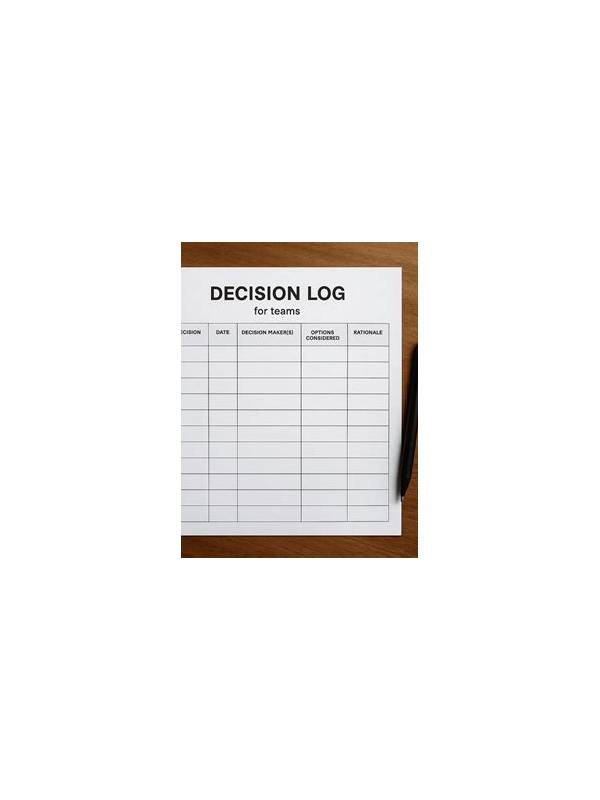
A decision log is not a record of every card. It is a brief account of the choices that shaped a hand. Many players remember only the final result, which makes it hard to learn from a win or a loss. A structured note separates the quality of a decision from the luck of the next draw.
Write down the opening shape in one sentence, such as “one confirmed sequence, two connected pairs, and three isolated cards.” Then record the first major fork. A fork is a moment when you could reasonably choose two different routes. Note the options, the route you selected, and the reason in plain language. Avoid judging the choice before you know what information was available at the time.
After the hand, add the outcome and one counterfactual. The outcome describes what happened. The counterfactual asks what might have changed if you had selected the other route, without pretending to know the unseen cards. This keeps the review analytical rather than emotional. If a different plan would also have failed, the loss may not indicate a major mistake.
Limit the log to three lessons. Useful lessons are specific: “I held a high pair after its only continuation was gone” is better than “I played badly.” Include one process lesson, such as checking the weakest group before drawing from the pile. Short notes are more likely to be reviewed than a detailed transcript.
Review several logs together, not just the most recent one. Look for repeated patterns: late discards, narrow draws, missed safety checks, or unnecessary plan changes. Choose one pattern to watch in the next session. The log should support better decisions and calmer review, not become another scorekeeping burden. Keep it private, factual, and easy to stop when the session is over.
Do not use the log to compare yourself with other players. Their available information, pace, and goals may be different, and a single result says little about decision quality. The best log is one you can read a week later and understand immediately. If a note contains blame, rewrite it as an observable action. Replace “I panicked” with “I changed routes after one miss without checking the fallback.” That wording gives you something concrete to test next time and makes improvement easier to measure. If you do not have time for a full entry, write only the fork and the reason. A small reliable record is more valuable than an ambitious journal that you abandon. The next review can add context when the position is still familiar.
Related Post
Rummy Joker Management: Keep Wild Cards Flexible
Learn a practical way to use jokers without committing them too early. [...]
Rummy Guide: Build a Discard Ladder From Safe to Risky
A discard ladder ranks loose cards by both personal weakness and possible value to the [...]