Rummy Guide: Build a Simple Decision Journal
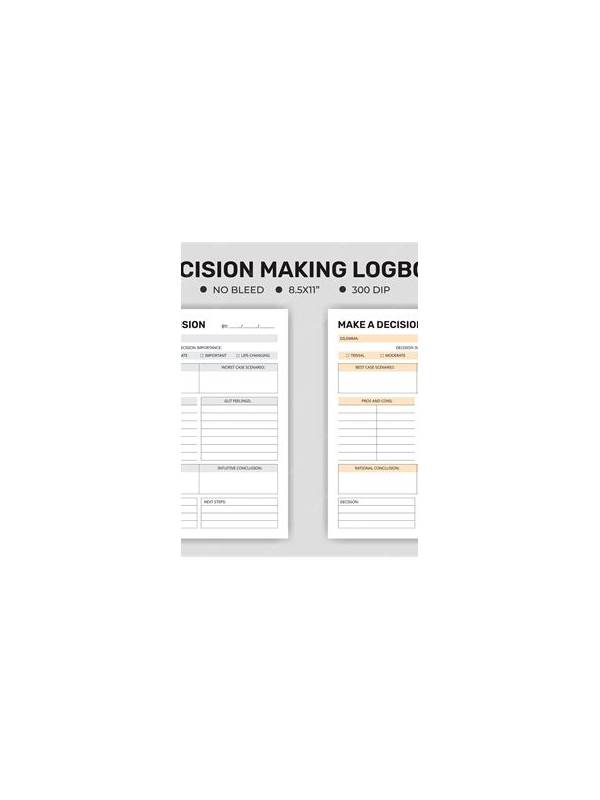
A decision journal is a short record of choices and reasoning. It is different from a full score sheet: its purpose is to reveal habits, not preserve every event. Used consistently, it can show whether you are holding narrow routes too long, overlooking penalty, or failing to update after new information.
Keep the format small enough to use. After a round, record the format, your main plan, one turning point, and one decision you would like to inspect. Add the reason for the choice as you understood it then. Do not write a long narrative while tired; three or four lines are enough.
Use neutral language. “I kept the pair because it had two possible sets” is useful. “I played badly” is not specific enough to teach anything. If the decision was reasonable but the draw failed, write that separately. Distinguish a process error from an unlucky outcome so your next adjustment is based on evidence.
Review entries only after several rounds. One hand can be unusual. A pattern across five or ten decisions is more meaningful. Look for repeated phrases such as “one more turn,” “it felt close,” or “I did not notice the visible copy.” These phrases may point to a habit worth testing.
Turn one pattern into an experiment. If you often retain high cards too long, try labeling each one with a job and discarding jobless cards earlier. If you miss table information, remember only required cards and confirmed cards for a session. Compare your decisions, not just your wins. The experiment is successful when your reasoning becomes clearer or your penalty exposure falls, even if results vary.
Keep privacy and safety in mind. Do not record other players’ personal information, login details, or anything that violates platform rules. A local note or private paper record is sufficient. If tracking play becomes another source of pressure, stop and simplify.
The journal should make future decisions easier, not turn play into paperwork. Record the decision, the reason, and one possible improvement. Over time, that small loop can replace vague self-criticism with observable, manageable changes. Do not compare journal entries only by their final score. A low score can come from a fortunate draw, while a high score can follow a sensible plan under difficult conditions. Compare whether you noticed relevant information, updated on time, and respected your boundaries. Those are the parts you can improve deliberately. Small records create better habits than elaborate systems abandoned after one session.
Related Post

Rummy How-To: Create a Fair Review After a Difficult Session
Review a disappointing rummy session using process evidence instead of emotion. [...]
Rummy Sets Versus Sequences: How to Choose a Better Starting Focus
Compare sets and sequences by flexibility, legality, and risk when organizing an opening hand. [...]