Rummy Sets Versus Sequences: How to Choose a Better Starting Focus

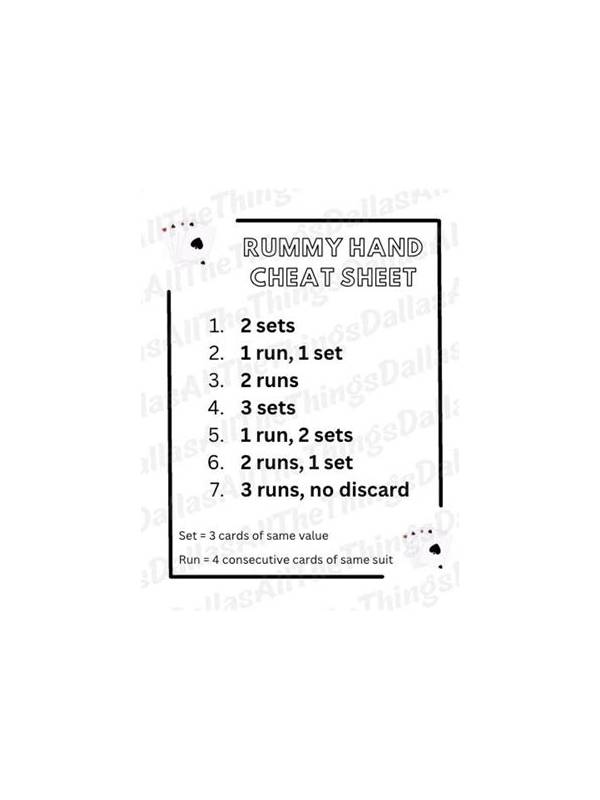
When a new rummy hand contains several pairs and connected cards, it can be tempting to build whichever group looks easiest. Sets and sequences serve different purposes, however, so the better starting focus depends on the cards around them and the rules of the format.
A sequence uses consecutive cards of one suit. Middle cards often have more connection opportunities than extreme cards because they can link in either direction. A seven, for example, may connect to a five-six or an eight-nine pattern, while an ace or king usually has fewer ordinary options. A natural sequence may also be essential for a valid declaration, so protect a promising one before chasing a set.
A set uses cards of the same rank in different suits. A pair can become a set when one matching rank arrives, but it usually cannot grow in the same directional ways as a sequence. Its value is therefore tied to how many suits are already represented and whether the remaining cards are easy to release. A pair of high cards may be less attractive than a pair of low or middle cards if the game scores unmatched cards by face value.
To choose a focus, score each candidate by three simple measures. First, count natural completion routes. A connected suited run with two possible extensions may be stronger than a rank pair waiting for one exact suit. Second, check rule importance. If your hand still lacks a pure sequence, that requirement gets priority. Third, consider discard risk. Keeping a high pair while waiting for a set may be costly if the hand does not improve quickly.
You do not need to choose one group type exclusively. A practical hand often protects one sequence while keeping one pair as a secondary option. After each draw, compare the cost of preserving both plans. If a card supports only one plan and leaves another card isolated, commit to the cleaner arrangement.
The main lesson is to judge structure rather than appearance. Three cards of one rank look close to finished, but a four-card suited connection may offer more flexibility and may satisfy a key rule. Start with the group that improves legality, creates the most natural routes, and lowers the value of cards you would otherwise carry. One useful practice is to pause a deal after the opening hand and write down your first priority. Return to it after two draws and explain what changed. This teaches you to update a plan when evidence improves, rather than defending the first group you noticed.
Related Post
Rummy How-To: Practice With a Delayed Reveal
Delaying the reveal of an answer or final layout turns a rummy exercise into practice [...]
Rummy Declaration Timing: Finish Checking Before You Confirm
A deliberate final check reduces declaration errors when a hand appears ready. [...]