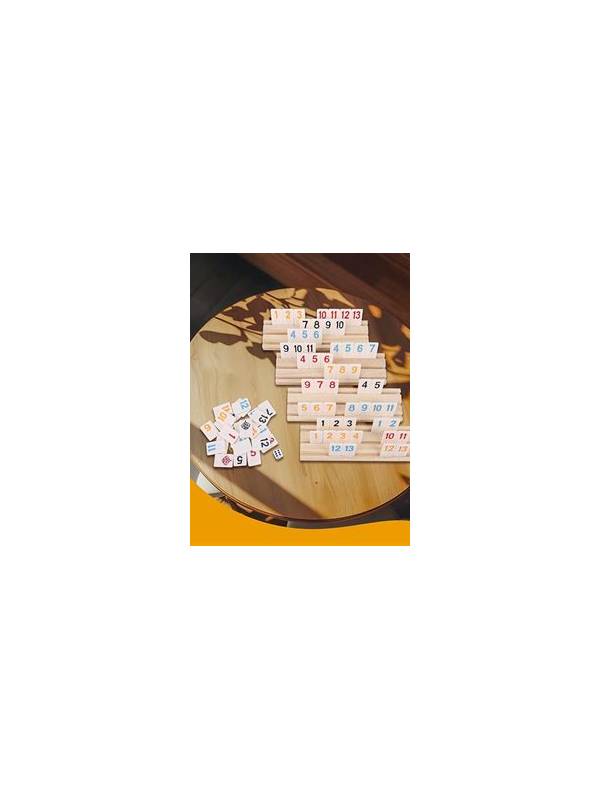
Rummy Safety: Recognize Pressure After a Loss
A loss can change decisions before a player notices. The next hand may feel like an opportunity to recover immediately, and ordinary limits can begin to seem negotiable. Recognizing this pressure is a safety skill. It protects time, money, and attention when emotions are strongest.
Watch for concrete signals. You may increase stakes without a planned reason, ignore a stop time, chase a particular opponent, or keep playing after concentration has dropped. Repeatedly checking the previous result, feeling unusually angry at normal variance, and treating the next hand as “necessary” are also warning signs. None of these feelings proves a problem, but together they justify a pause.
Create a recovery routine before you need it. Leave the table, put the device down, and take a short break away from the game. Review your original session limit rather than inventing a new one. If you deposited or entered a paid game, check the record calmly and avoid making another transaction while upset. A trusted person can help provide an external reference if you find it difficult to stop.
Do not frame a pause as giving up. A pause restores the ability to make ordinary choices. If you return later, use the same limits and conditions that applied before the loss. If you cannot return within those limits, end the session. The result of one hand does not create a debt that the next hand must repay.
Pay attention to repeated patterns across days. If losses regularly lead to longer sessions, larger spending, secrecy, or distress, consider using platform controls such as time reminders, deposit limits, or self-exclusion where available. Support from a qualified counselor or a local helpline may also be appropriate. Seek immediate help if gaming pressure is connected with thoughts of self-harm or danger.
Responsible play is not defined by winning every session. It is defined by keeping decisions within boundaries you chose while calm. A loss is information about a result, not an instruction to continue. Naming the pressure, pausing, and returning only under the original plan keeps the next decision in your control.
Separate the outcome from the review. Later, when calm, examine whether the decision followed your plan and whether the plan itself needs adjustment. Do not conduct that analysis while trying to win the loss back. A calm review may identify a technical lesson, but the lesson is useful only when it does not become an excuse for an extended or increasingly expensive session.
Related Post
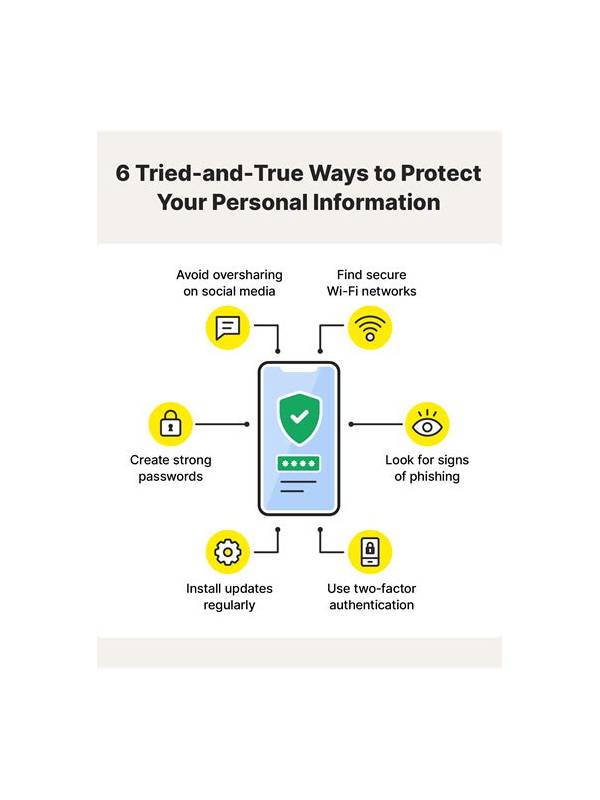
Rummy Safety: Protect Personal Data on Shared Devices
A shared-device checklist can reduce accidental exposure of account, payment, and game information during rummy [...]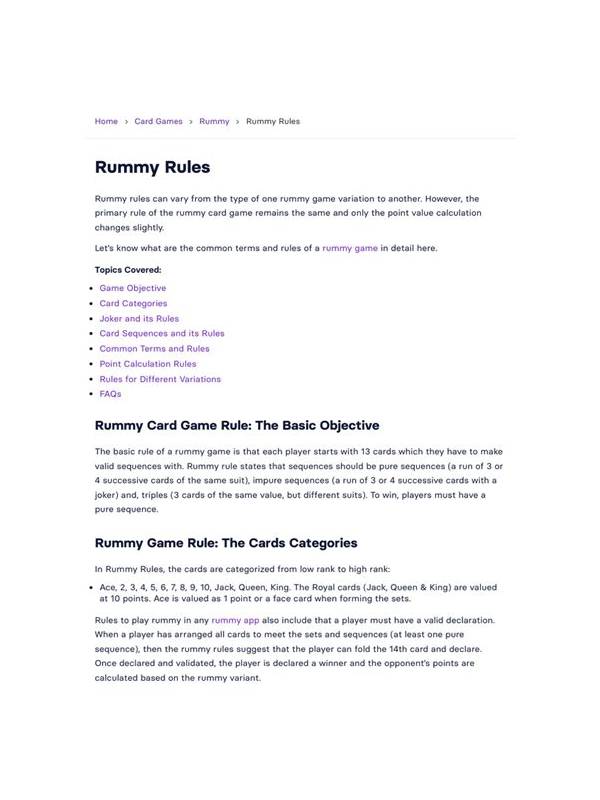
Rummy Safety: Confirm Table Rules Before a New Format
A rules check before joining a new rummy format prevents avoidable errors and unexpected commitments. [...]