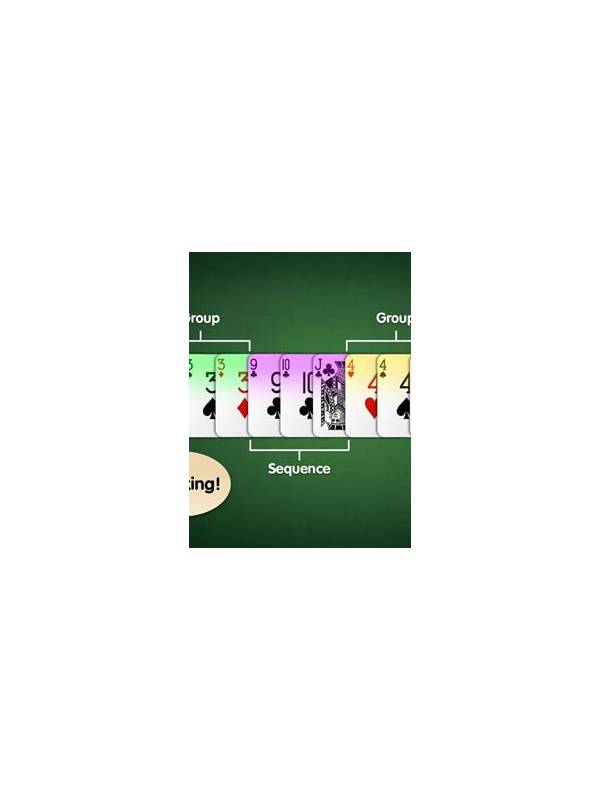
Rummy Comparison: Private Notes Versus Table Memory

Remembering every discard can feel like a sign of strong rummy skill, but memory is affected by speed, distraction, and emotion. Private notes can support review, while mental memory keeps play simple. Comparing the two helps you build an information method that fits the table and the rules.
Table memory is immediate. You can notice a relevant discard, update a route, and continue without moving your attention away from the cards. It works well for a small number of important facts, such as a key rank that has appeared or the direction of a visible sequence. Its weakness is overload. Trying to retain every card can make you miss the decision in front of you.
Private notes are selective records made for your own learning or planning when permitted. They might contain a short list of important discarded ranks, a session time, or a post-round observation. Notes can reduce the pressure on memory, but they can also slow play and create confusion if they become a second hand to manage.
Before taking notes during an online or live game, check the platform’s rules and the table’s expectations. Never record another player’s personal information, copy private communications, or use tools that provide prohibited assistance. A legal notebook for post-round reflection is different from an unauthorized system that analyzes a live hand.
A useful compromise is a three-item mental limit. Keep only the most relevant visible fact, your strongest current route, and your main liability. If a fact no longer changes a decision, drop it. After the round, write a brief review from memory: one good choice, one unclear choice, and one question to revisit. This builds skill without turning the table into an accounting exercise.
Choose memory when the game is quick and the information is simple. Choose permitted notes when you are studying patterns or reviewing several rounds. In both cases, prioritization matters more than volume. The goal is not to possess a complete history; it is to preserve the few facts that improve the next responsible decision.
Notes should never become a way to avoid thinking. Before writing anything, decide what question the note answers. If it answers none, leave it out. After the session, remove unnecessary details and keep only observations that could guide practice. This protects privacy and makes the record easier to use. A short, lawful, personal review is more valuable than a crowded list of every card.
Related Post

Rummy Guide: Evaluate a Card by Its Replacement
Looking at what can replace a held rummy card clarifies whether its current role is [...]
Rummy FAQ: What Should You Do After Missing a Declared Hand?
A missed declaration is a prompt to inspect the process, verify rules, and reset before [...]