Rummy How-To: Convert a Pair Into a Decision
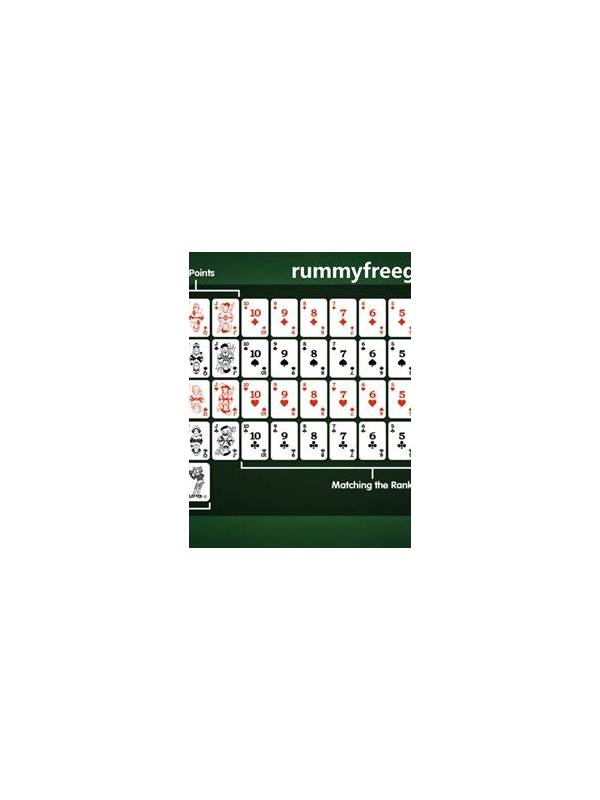
Pairs are common in rummy and easy to misjudge. Two matching ranks can support a group, while two suited cards can support a sequence. Yet a pair may also occupy space without improving the hand. Convert the pair into a decision by examining what role it can realistically play.
First, identify the kind of pair. Same-rank cards are group candidates, but they need a third suit and can compete with other group possibilities. Same-suit consecutive cards are sequence candidates and may have one or two natural extensions. A nonconsecutive same-suit pair can still be useful, but its gap and distance should be visible rather than assumed away.
Next, check for overlap with the rest of your hand. If one card in the pair also connects to a promising sequence, breaking the pair may create more value than protecting the group. If the pair is supported by several related cards, it may be an anchor. Look at the whole set before assigning a permanent label.
Then estimate the waiting cost. What exact card or cards would improve the pair? How many turns can you afford to wait? A low pair with several flexible links may survive longer than a high pair that needs one narrow completion. The score format and your current distance from a valid declaration also affect the answer.
Finally, assign one of three roles: active route, reserve resource, or release candidate. An active route receives attention and a review point. A reserve resource is kept because it can join more than one plan, but it does not control every discard. A release candidate is tested against the next discard and removed when its cost exceeds its value.
Revisit the role after a new draw or important visible discard. A pair can improve, become blocked, or lose a competing route. Treating it as a decision rather than a possession keeps the hand adaptable. The best pair is not necessarily the one that looks most complete; it is the one that contributes to a reliable final arrangement.
Remember that a pair can have different roles in different formats. In a points game, reducing a costly unmatched card may outrank preserving a speculative group. In deals rummy, the broader score position can justify a more patient reserve. Apply the same three roles, but let the format and your current position determine how much patience each role receives.
That keeps the pair useful without allowing it to dictate the entire hand.
Related Post
Rummy Practice: Train Recognition With Unsorted Hands
An unsorted-hand exercise helps players notice groups without depending on a familiar visual layout. [...]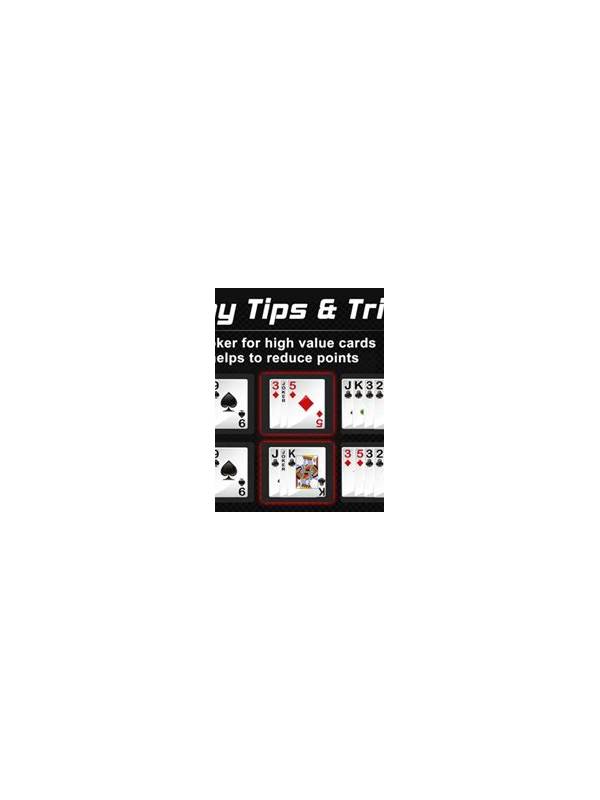
Rummy Tips: Use a Neutral Tie-Breaker
When two discards look similar, a neutral tie-breaker prevents personal attachment or recent results from [...]