Rummy Guide: Judge a Discard by What It Unlocks
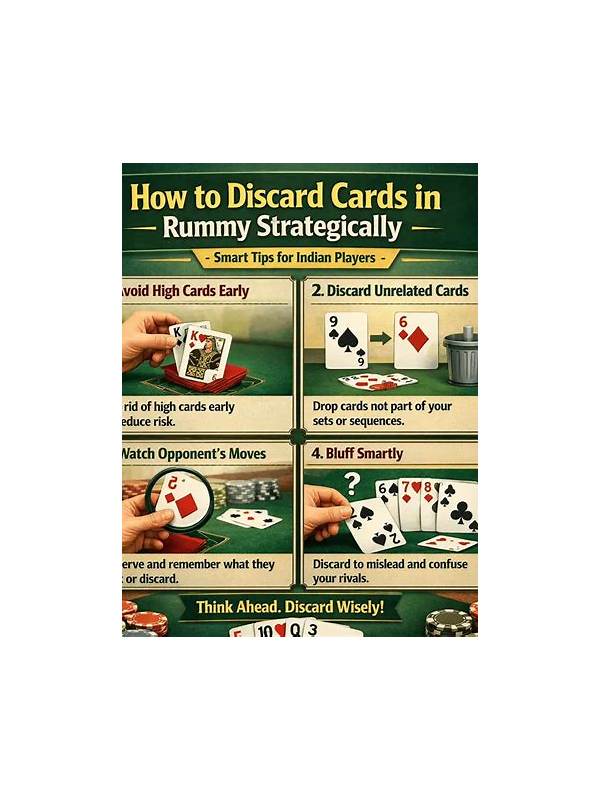
Many players judge a discard only by the points it removes. That is useful, but incomplete. A good discard can also unlock a clearer hand by freeing a card from a narrow plan, improving your sorting, or making the next draw easier to evaluate. Think of the discard as a design decision, not merely a loss of material.
Start with the card’s current job. Is it part of a confirmed sequence, a promising connection, a duplicate, or an isolated high card? If it has no credible job, releasing it is often simple. If it supports several routes, compare those routes before letting it go. The strongest-looking combination is not always the one with the best fallback.
Next, ask what the discard unlocks. It might allow two cards to be grouped cleanly, expose a lower-risk release, or reduce the number of possible plans you must track. A hand that is easy to read can be more valuable than a hand with one extra speculative connection. Clarity helps you react to the next draw without rebuilding the entire structure.
Consider information exposure as well. Some discards reveal very little because they are common or obviously disconnected. Others may suggest a route to an opponent. You cannot control every inference, and you should not freeze over ordinary table information, but when two cards have similar value, prefer the one that preserves less useful information for others.
Check your replacement plan before confirming. After the discard, can you describe what you hope to draw, what you will release next, and what fallback remains if the hope fails? If the answer is no, pause and re-sort. A discard that feels clean but leaves the rest of the hand directionless may be premature.
Review the unlock, not just the result. If the discard helped you make better decisions on later turns, it served a purpose even if the hand did not finish. If it removed points but forced a narrow chase, its immediate benefit may have been misleading. This broader evaluation builds a more reliable sense of timing and makes your choices less dependent on one lucky draw. Review the unlock, not just the result. If the discard helped you make better decisions on later turns, it served a purpose even if the hand did not finish. If it removed points but forced a narrow chase, its immediate benefit may have been misleading. This broader evaluation builds a more reliable sense of timing and makes your choices less dependent on one lucky draw.
You can practice the idea with an imaginary hand. Pick one card and ask what would become possible if it left your hand, then identify the next two actions that would follow. If no clear improvement appears, the discard may be serving only a cosmetic purpose.
Related Post
How to Organize Rummy Cards for Faster Visual Scanning
A consistent sorting layout reduces search time and makes missing connections easier to see. [...]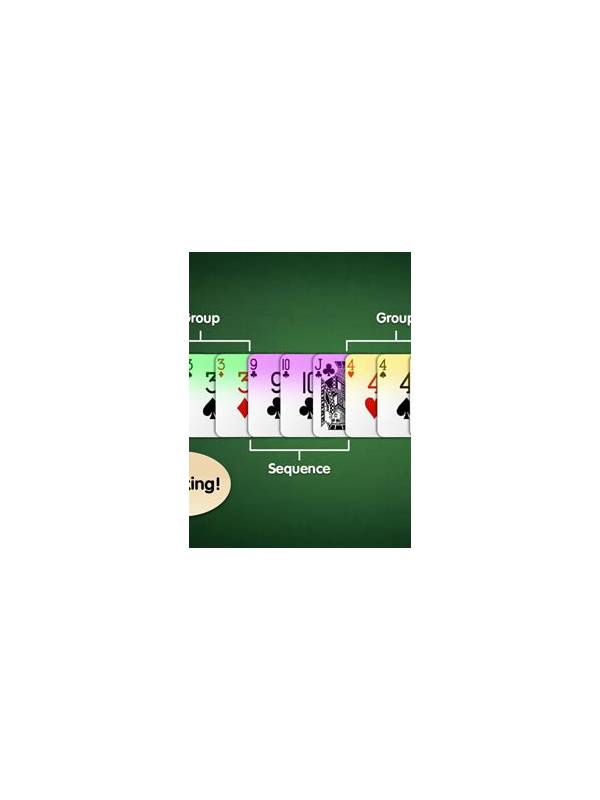
Rummy Card Relationships: Sort by Connection Before Suit
Sorting cards by potential relationships can reveal useful rummy structures before a player commits to [...]