Rummy Card Relationships: Sort by Connection Before Suit
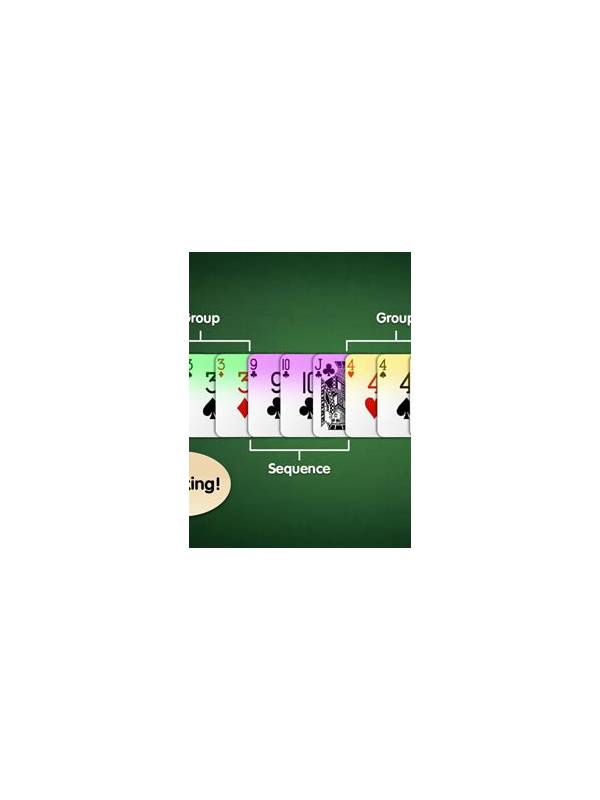
Many players sort a rummy hand by suit or rank as soon as the cards arrive. That is tidy, but tidiness is not the same as analysis. A second sorting pass based on relationships can show which cards support one another and which are merely taking up space.
Begin by grouping confirmed structures. Put cards that already form a valid sequence or set together, but do not assume that every attractive run is final. Then place connected pairs nearby. A connected pair might be two adjacent cards of the same suit, or two cards of one rank that could form a set. Keep singletons in a separate area so they do not appear more useful than they are.
Look for the number of ways each card can improve. A middle card often has more neighboring possibilities than an extreme card, but that does not automatically make it valuable. The suit, the visible discards, and the format all matter. Mark cards with two plausible partners as flexible and cards with only one remote idea as fragile.
Avoid sorting so aggressively that you lose the original suit pattern. Some interfaces let cards overlap or hide labels, and repeated dragging can create an input error. A simple left-to-right layout with confirmed groups, developing groups, and uncommitted cards is often enough. If you play with physical cards, leave a small gap between categories rather than building a complicated display.
Re-sort after meaningful changes, not after every draw. A new card can turn a singleton into a connector or make a previous pair less attractive. Ask whether the new card increases the number of valid paths through the hand. If it does not, keep the existing layout and focus on the discard choice.
This method is especially helpful for beginners because it changes the question from “Which card looks nice?” to “Which card has useful relationships?” It also makes discarding easier: release the card with the fewest realistic connections, while protecting structures that can serve more than one future plan.
The layout can also help when another player changes the pace. Because confirmed groups remain visually stable, a sudden draw or discard does not force you to reconstruct the whole hand. Keep speculative pairs visibly separate from legal melds, and do not move a card simply to make the display symmetrical. Functional organization is more valuable than a pretty arrangement. After the hand, notice which relationships actually mattered and refine your sorting habit for the next deal.
Related Post
Rummy How-To: Set a Switch Point for Each Plan
A switch point tells you when to leave a weakening rummy route before it consumes [...]
Rummy Practice: Explain Three Legal Alternatives
Comparing three legal arrangements teaches you to evaluate a hand by structure, flexibility, and exit [...]