Rummy FAQ: What If the Discard You Need Is Taken First?

Seeing another player take the discard you hoped to use can feel like a lost opportunity. It is information, but it is not a command to chase the next matching card. The correct response is to review your routes and choose the one that remains realistic.
First, remove the taken card from your mental plan. Do not continue treating it as if it might return soon. Look at what your hand can still build using natural cards, the closed pile, and any available joker. A route that required that exact card may now be weaker than a less exciting route already in your hand.
Next, check whether the pickup tells you anything useful. It may suggest that a suit or rank is valuable to another player, but one pickup is not proof of their complete hand. Use the information as a small caution when choosing future discards, not as a reason to make elaborate guesses.
Then compare your remaining options by requirements. Which route needs fewer particular cards? Which route protects the mandatory structure? Which choice lets you release an expensive isolated card? These questions turn disappointment into a normal planning update.
If no route is strong, preserve flexibility with a low-commitment discard rather than forcing a dramatic change. A hand does not need a perfect plan on every turn; it needs a legal and sensible next action. Reassess after the next draw.
The important habit is to let the table state change your plan without changing your composure. Another player’s pickup closes one possibility, but it does not close the hand. Replace the lost route with the best remaining route and continue checking the whole structure.
There may also be a useful timing lesson. If your plan depends on a card in the open pile, act when the card is available rather than assuming it will remain there. At the same time, do not convert that lesson into urgency on every turn. A card is worth taking because it improves the complete hand, not because another player might take it. Keep value and timing as separate parts of the decision.
If the lost card was part of a mandatory route, acknowledge that route is closed and rebuild from the remaining natural cards. This is more efficient than repeatedly scanning the pile for a replacement that cannot serve the same purpose. A fresh assessment often reveals a modest but workable alternative.
Related Post
Rummy How-To: Use the Turn Clock Without Panicking
A compact decision routine helps rummy players use a timer while avoiding rushed or emotional [...]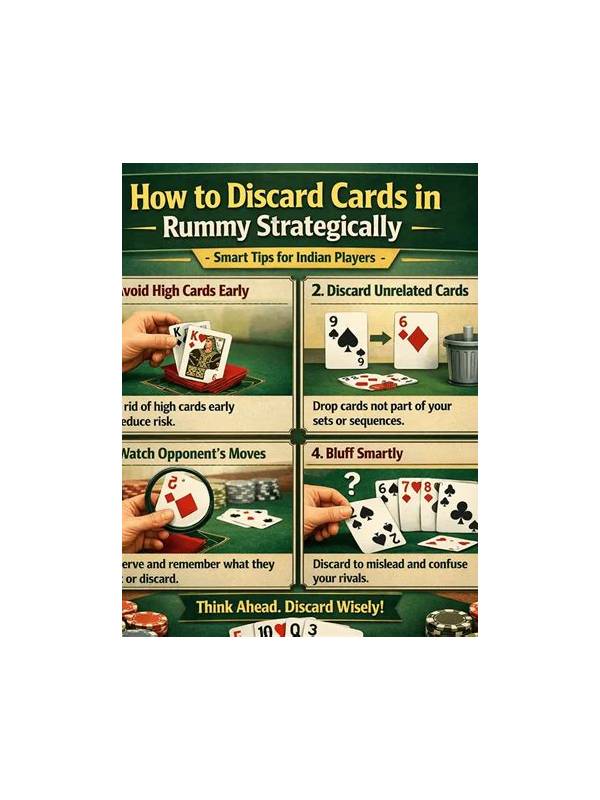
Rummy Guide: Evaluate a Discard by Your Next Two Turns
Use a short planning horizon to choose discards that preserve options without overthinking distant possibilities. [...]