Rummy How-To: Explain a Discard Decision Clearly
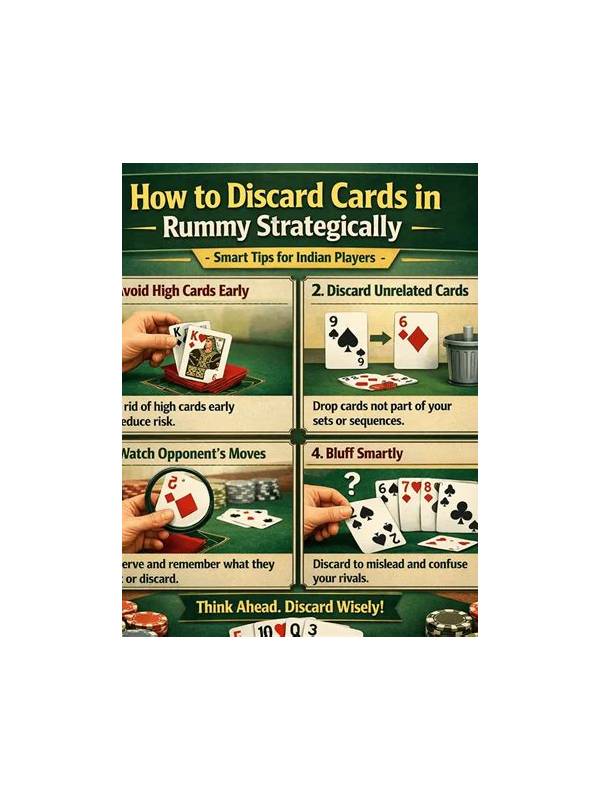
Explaining a discard does not require a long calculation. A brief statement can reveal whether the choice came from evidence or from impulse. It is especially useful during practice, when the goal is to improve the decision process rather than judge the result.
Use a three-part sentence. First name the card released. Next name the reason it was lowest value: isolated, high penalty, duplicate route, or dependent on one unlikely card. Finally name what you preserved, such as a pure sequence possibility or a flexible connector. For example: “I released the high isolated card because it had no practical improvement, preserving the middle connector that serves two sequences.”
Keep the statement about your hand. Avoid claiming that another player definitely needed the card unless the evidence is overwhelming. “I thought it was less likely to help based on the visible pile” is more accurate than “They cannot use it.” This language keeps observation separate from assumption.
If two cards are close, state the tie-breaker. You might choose the higher penalty, the card with fewer exits, or the card that reveals less about your route. Naming the tie-breaker is useful because it can be tested later. If a similar situation appears, you will know which principle you intended to apply.
After the hand, compare the reasoning with the information that became available. Do not judge the decision solely by whether the next draw would have completed the discarded card. A good choice can be followed by an unlucky draw. Review whether the card was correctly assessed at the time, given what was visible.
This habit takes only a few seconds and prevents vague conclusions such as “I should have kept everything.” Clear explanations create reusable rules, highlight recurring errors, and make it easier to discuss strategy without blaming the result.
Keep the wording specific enough to repeat. “Bad discard” teaches little, while “released the card with one narrow route to preserve two lower-penalty connectors” gives you a testable principle. You can later ask whether the route count and penalty estimate were reasonable. Specific language turns a result into a small experiment instead of a permanent judgment about your ability.
If you play privately, say the sentence silently or write a few words after the turn. Avoid recording usernames, personal details, or anything another player would not expect to be stored. The purpose is reflection, not surveillance. Over several hands, compare the reasons you give most often. If “I hoped for one more card” appears repeatedly, create a review trigger. Explanation becomes useful when it changes the next decision.
Related Post
Rummy Guide: Track a Hand With Three Confidence Levels
Three confidence levels make it easier to distinguish established groups from attractive but uncertain possibilities. [...]
Rummy Comparison: Open Information and Hidden Information Decisions
Comparing visible discards with unknown stock cards shows why each draw deserves a different level [...]