Rummy Guide: Read Discard Piles Without Guessing
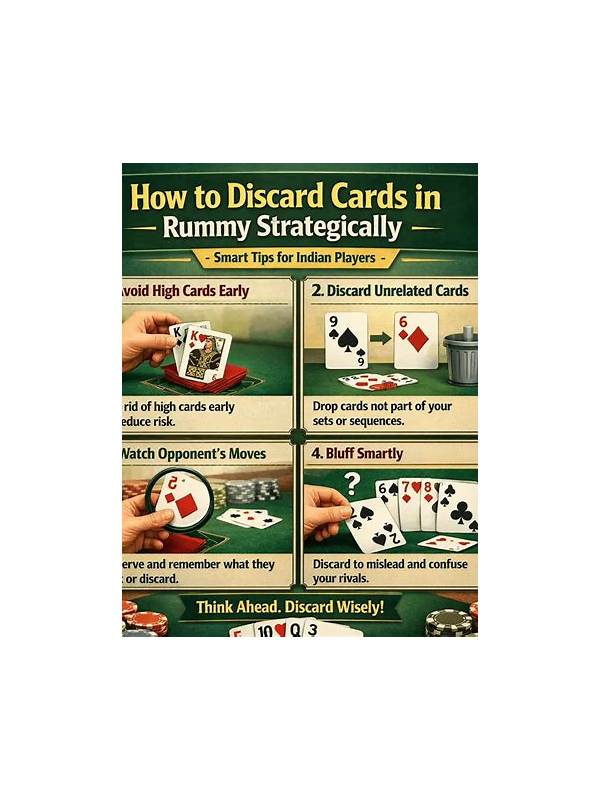
The discard pile is a record of choices, but it is not a perfect window into another player’s hand. A card may be rejected because it was useless, because the player already had a better option, or simply because the turn required a quick decision. Reading the pile well means collecting clues without turning guesses into facts.
Start by noting the most recent few discards rather than trying to remember everything. Look for cards that could connect with one another by rank or suit. If several neighboring cards from one suit appear, that suit may be less attractive to the player who discarded them, but it may also mean someone else is building around it. Treat the pattern as a signal to investigate, not a command to avoid the suit.
Next, compare each visible discard with your own needs. A card you want is more valuable when it has multiple uses in your hand. Before taking it, ask whether it completes a pure sequence, extends a flexible run, or merely creates another pair. The first two possibilities usually deserve more attention than a vague hope that a pair will become a set.
Watch the timing of a discard. A high card discarded early may reflect sensible risk reduction. The same card discarded after several turns can reveal that a plan was abandoned. Timing also helps you judge whether a card is safe to release. A card that has been ignored for many turns is not automatically safe; the next player may have been waiting for it.
Use a three-part note during practice: card, likely meaning, confidence. For example, “nine of hearts, probably unwanted, medium confidence” is more useful than “opponent has no hearts.” This language leaves room for new evidence. If the player later takes a connected heart, revise your note instead of defending the original theory.
Finally, protect your own information. Avoid discarding a card solely because you think it is safe when it also has useful connections. Keep a short list of cards that improve more than one plan, and release isolated high cards or dead duplicates first when the rules and hand state allow it. The discard pile can improve your decisions, but your primary job remains building a valid hand with controlled risk.
In a practice round, pause after each discard and name the evidence that influenced you. If you cannot name any evidence, make the decision from your own hand rather than inventing a story about another player. This keeps observation useful even when the pile is short or the table is moving quickly. Over time, you will become better at noticing patterns while remaining comfortable with uncertainty.
Related Post
Points Rummy or Pool Rummy: Which Format Fits Your Evening?
Comparing time, scoring, and pressure can help players choose between points and pool rummy. [...]
Rummy Guide: Arrange Cards by Plan, Not Just Suit
A plan-based layout makes requirements, flexible cards, and weak leftovers easier to see at a [...]